
HOA Is In Debt: How Does This Affect Homeowners?


HOAs are responsible for managing the community’s funds. The board allocates the funds to maintenance, operations, and regular services. However, there are times when the HOA requires more funds and takes out a loan. This can be useful in several ways but it’s also a problem if the HOA defaults on its payments. How does it affect homeowners when the HOA is in debt? What are the options?
What is an HOA Loan?
An HOA loan is a distinct financial product offered by banks and creditors to qualified community associations. For the most part, HOA loans do not require individual credit checks, real estate collateral, or personal guarantees. Instead, the debt is secured using the community’s regular assessments. The lender provides money based on the HOA’s financial profile.
Homeowners association loans are usually secure. Banks and lenders use various tools to assess the association’s ability to repay the debt. However, there are times when an HOA defaults on a loan. In this case, the lender has no choice but to use other means to collect the principal and interest.
What Happens When the HOA is in Debt?
Like all organizations, homeowners associations may sometimes take out a loan to finance operations, expecting to earn back the money through income. The board may raise dues, levy special assessments, or find alternative sources of income to pay the money back.
However, several things happen when an HOA becomes delinquent. Lenders typically try to work through short-term issues during the initial stages. The lender may understand if the HOA is facing a problem with changes in its accounting. They may also be more patient if the cause is a change in board members or management companies.
However, the bank or lender will take legal action if an HOA fails to pay its loan for several months. They will ask the courts for a judgment to collect the HOA’s monthly dues. This means the lender will have the first right to monthly payments before returning what’s left over to the HOA. Hence, the homeowners’ payments will go straight to the lender instead of maintenance, capital improvements, or operations. The legal system will designate an account where future dues will end up.
As a result, the homeowners association will have to operate at a reduced cash flow. The HOA’s regular services and operations, like landscaping, snow removal, or garbage collection, may suffer. Sometimes, the HOA may even file for bankruptcy to repay the debt. Regardless, the homeowners will be the most affected by the default.
 Can HOAs Still Sell Homes?
Homeowners associations may still sell homes or even purchase property while it’s repaying the loan. The community’s daily life will likely continue, albeit with fewer services and perks. Moreover, the homeowners’ credit scores and home mortgages will not be affected even if the HOA is in debt. Lenders cannot collect homeowners’ properties as they are not put up for collateral.
What Causes an HOA to Default on a Loan?
Banks and lenders rarely approve a loan if they think the HOA is unqualified. However, even an HOA in good standing can default for several reasons. If your community is considering a loan, be careful of the following pitfalls.
- Delinquencies. Homeowners may fail to make monthly payments and default on their assessments. While the HOA can take measures to reduce delinquencies or collect unpaid debt, unexpected delinquencies may cause the community to default on its loan payment.
- Poor Planning. HOAs without a clear financial plan may have trouble paying back the loan’s principal and interest. The HOA may also spend money on items that won’t provide a return on their investment.
- Misuse of Funds. The HOA board may misuse the funds for frivolous spending or personal gain.
Can the HOA Declare Bankruptcy?
Homeowners associations may legally file for bankruptcy like other organizations. There are two main kinds of bankruptcies a community can file for:
- Chapter 7. Bankruptcy under Chapter 7 is less common and requires the HOA to liquidate its assets to settle debts.
- Chapter 11. Bankruptcy under Chapter 11 allows the HOA to reorganize and manage daily proceedings. However, big decisions will need approval from the court. HOAs that file for bankruptcy under this chapter must devise a repayment plan and follow through under a court trustee’s supervision.
How to Avoid Defaulting on an HOA Loan
Homeowners associations should take several measures to avoid defaulting on a loan. Here are some things an HOA can do to ensure it can pay its debts.
1. Increase Dues
A lot of HOAs take out loans precisely so they wouldn’t have to increase monthly assessments. However, increasing the monthly dues is usually a good idea anyway so the community doesn’t default on the loan. Consider gradually increasing the dues over time. This way, homeowners won’t be shocked by a sudden jump in fees, allowing them to adjust their budgets to meet the loan repayments.
2. Cut Down on Expenses
One good strategy to adopt is to temporarily cut down on expenses to remain current on loan payments. Consider pausing non-essential activities such as capital improvement projects, renovations, and new constructions. In addition, the community may try to renegotiate some vendor contracts to obtain a discount. The board may also look for other vendors that offer the same service at a lower price to reduce monthly spending.
3. Consider Other Sources of Income
Homeowners associations primarily obtain income through member assessments. However, while it’s a good idea to increase monthly assessments, HOAs may also consider other sources of income. For example, the community might consider renting out certain amenities like the gym or clubhouse. Rental income can relieve the HOA and community members as it may compensate for a slight assessment increase.
 4. Create a Financial Plan
Good financial planning is key to staying financially stable. Make sure to consider how the loan will be used seriously. Moreover, a plan must be devised to obtain more funds to repay the loan. The board may pick one or two of the strategies above or even combine all the strategies to reduce the odds of default effectively.
Responsible Financial Management
Homeowners will be significantly affected if their HOA is in debt. For this reason, it’s best to come up with a good financial plan before taking out a loan. Otherwise, homeowners will suffer as the HOA may fail to provide its promised services.
Condo Manager is an industry-leading management tool for planned communities and management companies. Let us help you with everything related to community management and financial planning. Call us now at (800) 626-1267 or contact us online to get a demo!
RELATED ARTICLES:
- What Happens If You Don’t Pay HOA Fines
- Should You Hire HOA Security Guards?
- Is An AI HOA Management Software Better Nowadays?
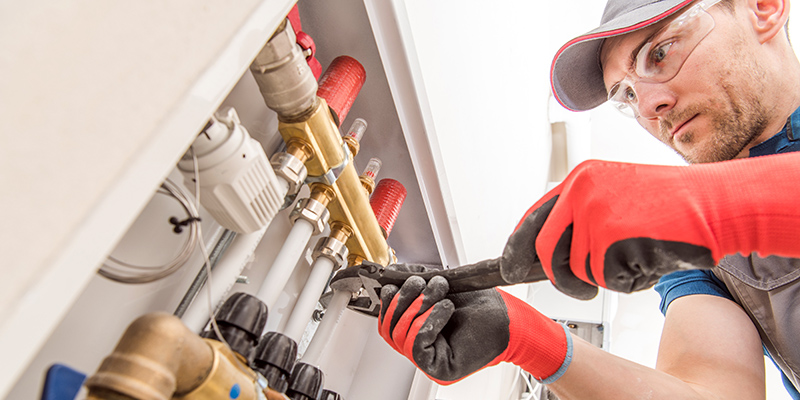
 Does the HOA cover plumbing? The HOA is likely responsible for repairing plumbing systems in the common areas. Moreover, the board should conduct periodic inspections and regular maintenance activities on the plumbing system.
 HOA plumbing issues can be tricky to navigate as most pipelines run through the entire community. It’s even harder when some pipes only serve a few residences and not others. Both homeowners and board members must review the governing documents to understand their scope of responsibility.
 Company applicants are the individuals responsible for creating or registering the company. If multiple persons are involved, they direct or control the filing.
 First and foremost, homeowners should read and understand the governing documents. This will help them determine whether their fight is justified or whether they need to pay the money.
 After researching and preparing your plan, file an appeal with the board. This usually involves sending a letter disputing the fine to the board.
 Will the social media page be public or exclusive to residents?
 Engagement is an integral part of social media. The HOA’s social media account might become useless if it isn’t engaging. What use is there to post announcements on a website nobody looks at or sees?
 Access Control. Security guards may guard entry points to ensure only those authorized can enter the community.
 While an HOA security patrol is undoubtedly useful, it can also be costly. This is especially true for large communities with multiple entry points. However, just because a community cannot afford security guards does not mean they should give up on enhancing safety and security.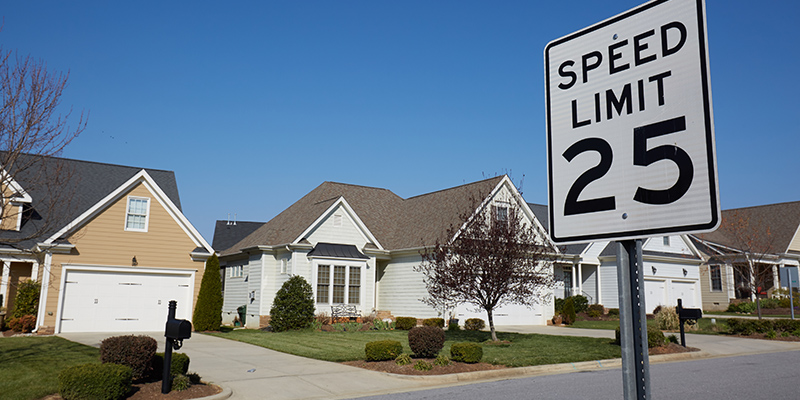
 When a resident exceeds the speed limit, the HOA will enforce the rules using the normal violation process. Associations usually send notice to the violating homeowner and issue a warning.
 3. Install Rumbles and Speed Bumps
 One of the largest issues with using AI HOA management software concerns data privacy. Since AI technology relies on large amounts of data to operate, homeowners may be apprehensive about giving away their information. The data could be misused or compromised and lead to stalking, identity theft, and other cybercrimes.
 6. Lack of Transparency
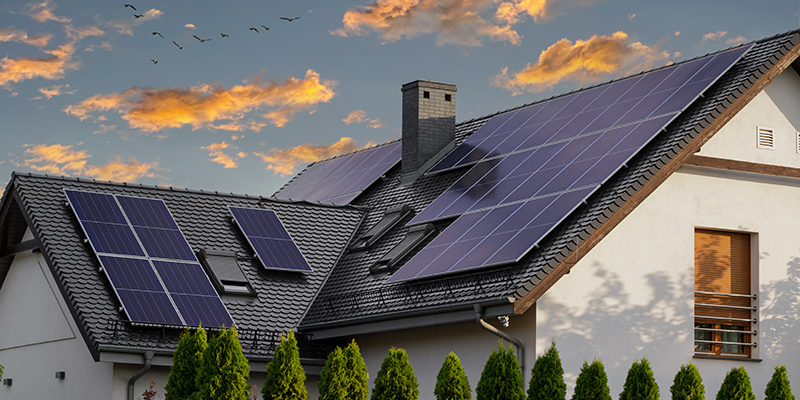
 As of the time of writing, no federal law protects homeowners’ rights to install solar panels in HOA communities. In 2009, the
  Even with state laws in place, homeowners association solar panels can still be restricted by most HOAs. As long as the restrictions are reasonable and given authority by the governing documents, the HOA can still control what homeowners can do.

 LIVE CHAT