
(800) 626-1267

How To Narrow Down And Focus On Your HOA Meeting Agenda

Any type of meeting can quickly lose direction without a solid plan. A focused HOA meeting agenda keeps everyone on the same page and makes sure nothing important falls through the cracks. Creating an agenda that works starts with knowing what to include and what to leave out.


Why a Clear HOA Meeting Agenda Matters

A well-organized HOA meeting agenda helps the board stay efficient and accountable. It also provides structure to ensure everyone uses time productively.

Here’s what a strong agenda can do for your meetings:

  • Reinforce your HOA meeting objectives
  • Avoid getting stuck on less important topics
  • Build transparency and trust with homeowners
  • Ensure compliance with your governing documents and state laws

Without one, HOA meetings may spiral into off-topic conversations, leaving critical issues unresolved.


Set Your HOA Meeting Goals First

Before drafting the agenda, define your HOA meeting goals. Are you reviewing financials? Finalizing a contract? Planning community events? Knowing the purpose of the meeting makes it easier to prioritize discussion points.

Here are a few common goals HOAs may have:

  • Approving the annual budget
  • Discussing maintenance projects
  • Reviewing committee reports
  • Addressing homeowner feedback

Once the goal is set, use it as your filter. If an item doesn’t support that goal, it may not belong on this meeting’s agenda.


Prioritize Essential HOA Agenda Items

A good HOA agenda separates critical topics from those that can wait. Start with time-sensitive items or issues that require board action.

The first few spots on the agenda should go to:

  • Approval of previous meeting minutes
  • Treasurer’s report or financial updates
  • Any pending decisions from prior meetings
  • Items required by law or your bylaws

Other HOA agenda items, such as general discussion topics or homeowner concerns, can come later, if time allows.


Limit the Agenda to a Manageable Length

Packing the agenda with too many items might seem productive, but it often backfires. Board members feel rushed, and essential conversations are cut short.

As a general rule:

  • Keep regular meetings under 90 minutes
  • Aim for 5–7 agenda items max
  • Leave time for open discussion at the end

If your list is too long, consider splitting it between meetings or using a special meeting to cover major topics.


Stick to Your HOA Agenda Requirements

Different states and governing documents have specific HOA agenda requirements. These rules often dictate when the HOA needs to post the agenda, what the agenda must include, and its format.

For example:

  • California’s Davis-Stirling Act requires agendas to be posted at least four days before a board meeting
  • Florida law mandates written notice with the agenda for certain decisions, like special assessments
  • Some bylaws require topics like financials or committee reports to appear in every meeting

Double-check your documents to make sure your agenda meets all legal and internal guidelines.


Involve Stakeholders Early

If you’re trying to focus your HOA meeting agenda, involving others early can help. Board members, committee chairs, and even property managers can help identify what matters most right now.

A few ways to gather input:

  • Ask board members to submit agenda items one week prior
  • Review recent emails or concerns from homeowners
  • Meet briefly with your HOA manager to identify priorities

This collaboration avoids last-minute changes and keeps the agenda relevant.


Use Templates to Save Time

community meeting | hoa meeting agenda
Using a consistent format helps reduce confusion and ensures no key sections are forgotten. Most HOAs benefit from a standard agenda template tailored to their bylaws.

Here’s a basic outline many associations follow:

HOA Board Meeting Agenda

  • Call to Order: This officially begins the meeting and signals that business is about to proceed.
  • Roll Call: This confirms which board members are present and whether a quorum has been met.
  • Approval of Previous Minutes: This allows the board to review and formally approve the written record of the last meeting.
  • Treasurer’s Report: This presents the HOA’s current financial standing, including income, expenses, and any budget updates.
  • Old Business: This section addresses unfinished issues or projects also discussed in previous meetings.
  • New Business: This introduces new topics, proposals, or decisions that the board needs to consider.
  • Open Forum (if applicable): This allows homeowners to share concerns or ask questions directly to the board.
  • Adjournment: This marks the formal close of the meeting once all agenda items have been covered.

Templates also help ensure compliance with your HOA agenda requirements and keep things running smoothly each time you meet.


Stay Focused During the Meeting

Even the best-planned agenda can go off track during the meeting. To stay on course:

  • Assign estimated times for each item
  • Designate a facilitator to move things along
  • Table discussions that go off-topic or take too long
  • Avoid turning board meetings into community-wide complaint sessions

The more disciplined you are with time and scope, the more effective your meetings will be.


Allow Flexibility for Urgent Matters

While staying focused is important, your agenda should allow some flexibility. Emergencies or timely community concerns may need to be addressed even if they weren’t included in the original agenda.

That said, some states have strict rules about adding items to the agenda even after publication. For example, in California, the board generally can’t vote on non-agenda items unless there’s an emergency. Always check your state laws and HOA bylaws before deviating.


Review and Improve After Each Meeting

review | hoa meeting agenda
At the end of each meeting, take a few minutes to assess:

  • Did we meet our HOA meeting objectives?
  • Did we finish the agenda within the expected time?
  • Were any items skipped or rushed?
  • Were board members prepared?

Use this feedback to fine-tune your approach for the next meeting. Over time, your board will become more efficient, and your HOA meeting agenda will be easier to manage.


A Way to Organize

An organized HOA meeting agenda helps board members stay productive and keeps meetings on track. With clear goals, prioritization, and legal compliance, your agenda can be a valuable tool, not a checklist you struggle to finish.

Looking for modern solutions in managing your HOA or condo community? Condo Manager provides a trusted and reliable community association management platform for self-managed associations and HOA management companies. Reach us online or call us today at (800) 626-1267 to learn more!


Related Articles:

13 Common HOA Problems That The Board Should Be Prepared For

Running an HOA community isn’t a walk in the park. If you’re part of the board, you’ll likely encounter issues if you don’t handle them as soon as possible. If you want your board to be efficient, you need to anticipate the typical HOA problems that come with managing people, properties, and policies.


What HOA Problems Should Your Board Expect?

Managing an HOA community comes with many challenges. With so many residents and moving parts, it’s easy for things to slip through the cracks. The key is being ready. Here are some of the most common HOA issues that boards need to be prepared for, along with what you can do about them.


1. Poor Communication

If homeowners aren’t kept in the loop, they’re bound to get frustrated. People don’t like being surprised by policy changes, delayed projects, or fee increases. If you lack giving updates, residents may start to feel like they’re out of the conversation. Boards that make use of email, community apps, and newsletters to share timely updates tend to earn more trust. A clear communication plan sets expectations for everyone involved.


2. Maintenance Delays

Letting small repairs slide can quickly lead to bigger HOA problems. Whether it’s a broken sprinkler, cracked pavement, or a clubhouse that needs a fresh coat of paint, neglect adds up. Budgeting plays a big role here. Some boards try to control spending too much, hoping to save money. But this can end up costing more in the long run. Creating a regular maintenance schedule and being transparent about repair timelines helps keep residents on board and property values steady.


3. Contractor and Vendor Problems

Hiring a contractor doesn’t end once the paperwork is signed. Some vendors fail to deliver on time, charge unexpected fees, or fall short in terms of quality. This often comes down to vague contracts or a lack of oversight. Good vendor relationships are built on clear expectations and follow-through. It helps to request multiple bids, check references, and put everything in writing. Regular performance reviews don’t hurt either.


4. Overly Controlling or Disengaged Boards

Some boards take on too much authority, shutting residents out of key decisions. Others are too hands-off, letting HOA problems fester because no one is willing to take responsibility. Neither approach works. A balanced board encourages homeowner input while still being decisive when necessary. You don’t need to micromanage, but inviting residents to join committees, answer surveys, or attend meetings goes a long way toward shared decision-making.


5. Unpaid Dues and Assessments

past due | hoa problems

When several homeowners fall behind on payments, the entire community can feel the pinch. That missed income delays everything from routine maintenance to emergency repairs. The best approach is a clear, consistent collections policy. Homeowners should know exactly when payments are due, what happens if they are late, and whether payment plans are available. Offering support during financial hardship—without ignoring the rules—can help preserve goodwill.


6. Keeping Up With Legal Compliance

HOAs are governed by a patchwork of federal, state, and local laws. From fair housing laws to zoning codes, boards must stay on top of their legal obligations. Missing something important can lead to penalties or lawsuits. Periodic legal reviews and training for new board members can help everyone stay aligned. And when something feels unclear or high-risk, bringing in an HOA attorney is a smart move.


7. Uneven Rule Enforcement

If residents see rules being enforced for some people but not for others, resentment builds up. A board’s credibility takes a hit when enforcement seems random or personal. To avoid this, make sure the rules are easy to understand, written down, and enforced fairly. Give people a chance to correct violations before issuing fines or notices. It’s not about punishment—it’s about keeping things consistent.


8. Rules That Don’t Work Anymore

Just because a rule exists doesn’t mean it still makes sense. Sometimes, HOA guidelines become outdated or contradict state laws. A classic example is banning drought-resistant landscaping in areas facing water restrictions. Boards should take time every few years to review the governing documents with legal support and make updates based on current needs and laws.


9. Security Concerns

Residents need to feel safe in their community. Broken gates, dark walkways, or unsecured pool areas create anxiety. Boards don’t need to install full-scale security systems, but simple steps like better lighting, clear signage, and regular safety checks can make a big difference. It also helps to have a way for residents to report safety concerns so they don’t go unnoticed.


10. Disputes Between Neighbors

neighbors quarrel | hoa problems

Not all neighborly disagreements stay quiet. Whether it’s a barking dog, loud parties, or a property line argument, things can escalate. While boards aren’t required to referee every issue, they often find themselves in the middle. Having a written process for handling complaints, along with setting clear expectations for respectful behavior, can help prevent tensions from boiling over.


11. Sticking With Old Technology

If your board still tracks dues in spreadsheets or relies on paper mail, it may be time for an upgrade. Outdated systems slow everything down and frustrate homeowners who expect online convenience. Switching to a basic HOA management platform can improve recordkeeping, communication, and payment processing. Even a small tech investment can save time and reduce stress.


12. Parking Disputes

Limited parking is a common sore spot. Issues come up when the rules aren’t clear, visitors take up resident spots, or people own more cars than there are spaces. Boards need to be clear about how parking works. They need to outline where guests can park, how permits are issued, and what happens when someone breaks the rules. These policies should be reviewed from time to time to reflect how the community’s needs evolve.


13. Board Member Burnout

Board service is voluntary, but that doesn’t mean it’s easy. The workload can be heavy, especially when people don’t feel appreciated. When board members are stretched too thin, decisions slow down and frustration sets in. Rotating roles, setting limits on when board members are available, and recognizing each other’s efforts can help avoid burnout. Sometimes, a simple “thank you” goes a long way.


Keeping HOA Problems From Piling Up

No community is perfect, and problems will pop up from time to time. But your board doesn’t have to be caught off guard. When you know what’s coming and have a plan to deal with it, you can handle issues before they spiral. The more prepared your board is, the more confident it will be, and the better your community will run.

Staying prepared for big or small HOA problems may be difficult without the right tools. That’s where HOA management software like Condo Manager can come in. Call us today at (800) 626-1267 or contact us online to book a demo!


RELATED ARTICLES:


HOA Meetings: Types, Purposes And Agendas

HOA board members must be on the same page to run an HOA properly. For this, having a productive and well-structured HOA meeting can help. Different meetings have different purposes. Understanding them helps the board and the homeowners regarding affairs with the HOA community.


Different HOA Meeting Types

If you’re part of a homeowners association, you can encounter several types of meetings. Every kind of meeting has a distinct purpose. They follow specific rules outlined in governing documents and state laws.


HOA Board Meeting

HOA board members gather for this type of association meeting. During one, board members usually discuss association matters. It also allows for reviewing the associations’ finances and deciding on matters related to community governance.

Even if it’s called a board meeting, this gathering is open to homeowners.  Typically, this type of meeting happens every month or every quarter.


Annual HOA Meeting

The bylaws of your association typically require this type of meeting. The annual HOA meeting, also called the homeowners association meeting, is widely thought to be the essential gathering of the year. It provides residents a venue to stay informed about what’s happening in the association.

Residents can find out the HOA’s current standing from the HOA board. They can learn more about the assocations’ financial health, policy changes, and future projects.  On top of these, the yearly gathering is also when board member elections happen.

However, this gathering is a two-way street. It also allows residents to communicate with the board. Here, they can voice their concerns, give feedback, or ask for clarifications.


HOA Executive Sessions

The executive session is a meeting where board members discuss confidential HOA issues. Some common topics discussed in this type of meeting include legal issues and pending litigation, personnel matters, violations and disciplinary actions, and contracts. Since these topics require discretion, homeowners are not allowed to attend these sessions. The session is closed to residents so that the board can ensure that sensitive information is handled properly.


HOA Townhall Meeting

Unlike formal board meetings, an HOA town hall meeting is an informal gathering. It’s an avenue for homeowners to express concerns candidly, ask questions, and provide feedback. Since they’re informal meetings, town halls shouldn’t involve voting or official decision-making.

The primary goal of an HOA townhall meeting is to build and encourage community engagement. It gives residents an open platform to voice their concerns, discuss upcoming projects, and provide input on proposed changes. These meetings help strengthen communication between the board and the residents.


Special HOA Meetings

Sometimes, your association faces issues that need to be addressed ASAP. In these cases, the HOA doesn’t have the liberty to wait until the next meeting to decide. When these cases happen, the HOA may call special meetings.

Special meetings approve emergency expenditures, handle disputes or legal matters, and vote on special assessments or amendments. Since these meetings focus on pressing concerns, they ensure that critical decisions are made promptly and effectively.


Committee Meetings

The HOA board can’t handle every aspect of HOA operations. To support them, they form committees to which they can delegate matters such as landscaping, safety, social events, or architectural review. Committee meetings are usually informal and focus on specific community projects or concerns.


Understanding HOA Meeting Agendas

Every well-structured HOA meeting has a well-thought-out agenda. Having an HOA meeting agenda helps the board make sure attendees discuss matters in an organized way.

In a nutshell, the agenda serves as the meeting’s roadmap. Having it as a guide ensures that all necessary topics are addressed logically and efficiently. While the format may vary depending on the meeting type, most agendas include the following sections:


hoa meeting agenda1. Call to Order

The first thing that happens in HOA meetings is a Call to Order. At this step, the HOA president or whoever is the designated leader for the meeting marks the start of the meeting. It establishes order and ensures that the meeting has structure from the very beginning.

2. Approval of Previous Meeting Minutes

The board then reviews and approves minutes from the previous HOA meeting. This step provides an official record of past decisions and discussions. Corrections are made before the minutes are finalized if there are errors or omissions.


3. Reports

After the previous meeting’s minutes have been approved, board officials, property managers, and committees usually present their reports. These reports typically include updates on financials, maintenance projects, and other community matters, ensuring that the board manages to review all aspects of the community’s operations.


4. Old Business

Following reports, the HOA usually addresses pending issues from previous meetings with the goal of finally resolving them. Any previously discussed but not concluded matters are revisited to ensure follow-through on key decisions.


5. New Business

New proposals, policy changes, or homeowner concerns are usually the next ones introduced. This part of the meeting allows the board to consider new initiatives and review feedback from residents about the recently introduced proposals.


HOA Open Forum6. Open Forum

Meetings will usually have an open forum section. Here, homeowners may voice concerns, ask questions, or provide feedback. This is one of the most valuable parts of the meeting, as it allows residents to engage directly with board members, voice their opinions, and gain clarity on community issues.


7. Adjournment

The meeting formally concludes once the board has addressed all items. The board president or another designated official announces the adjournment, signaling the end of official proceedings.


Additional Considerations for Agendas

Homeowners should receive a copy of the agenda in advance, typically along with a meeting notice, to allow attendees to prepare. Some states have specific legal requirements regarding agenda posting, so HOAs should ensure compliance with local laws. Additionally, effective agendas include estimated time allocations for each section to keep discussions on track.


Can HOA Meetings Be Illegal?

Yes, there are times when HOA meetings are illegal. This usually happens when the meeting violates any stipulations from governing documents or state laws. Some of the common meeting violations include:

  • Holding meetings without proper notice
  • Making decisions without a quorum
  • Failing to keep accurate minutes
  • Discussing non-executive topics in closed sessions

Your HOA needs to ensure transparency to avoid legal repercussions. It also needs to follow the terms of its governing documents and comply with state laws.


Keeping Things Productive

HOA meetings help the board and homeowners understand the affairs of the neighborhood. A well-run association has transparent and structured meetings to ensure productivity.

Condo Manager offers a top-of-the-line community association management platform for self-managed associations and HOA management companies. Learn more online or by calling (800) 626-1267!

Related Articles

HOA Vendor Bidding: Why Do You Need This?

From landscaping and security to major renovations, HOAs often call external vendors for various services for the community’s upkeep. Many associations rely on a process known as HOA vendor bidding to ensure quality work at a fair price. But why is this process so critical?


What is HOA Vendor Bidding?

HOA vendor bidding is the process of asking for and reviewing bids from several vendors for services or projects the HOA needs. These needs can range from simple maintenance work to large-scale construction projects. It generally helps HOAs find the best value for their investment.

It is good practice to find several HOA vendor bids. This way, the association can compare proposals from different providers. This showcases transparency while making sure the vendor it selects can provide high-quality services within the specified budget. Effective HOA bidding procedures can save communities thousands of dollars.


The Importance of HOA Vendor Bidding

Why should HOAs have vendor bidding? Here are some reasons to do so:


Financial Accountability

HOAs operate on budgets funded by homeowners’ dues, making financial accountability one of the foundations of effective community management. If an HOA doesn’t have a formal bidding process, it risks overspending or hiring vendors that either provide subpar service or are way out of the HOA’s budget. Seeking multiple HOA vendor bids helps ensure that your HOA funds are spent wisely.


Importance of HOA Vendor BiddingEnsuring Quality Services

Choosing a vendor solely based on price doesn’t promise a good outcome. HOA vendor bidding helps associations review a vendor’s work based on several factors.

These may include experience, reputation, and a proposed timeline. When you review based on these criteria, the HOA can select a vendor who fits the budget and delivers high-quality work.


Promoting Transparency

Transparency should be a priority in HOA. It’s a must when maintaining trust between the HOA board and homeowners. Because of this, the association should have transparent HOA bidding procedures. The board should be able to show that it is acting in the community’s best interest. This openness can prevent conflicts and reduce suspicions of favoritism or unethical decision-making.


Legal and Regulatory Compliance

Most states require HOAs to follow specific guidelines when awarding contracts, especially those for high-value projects. If your HOA does formal vendor bidding procedures, it also ensures compliance with these regulations. Additionally, documented bidding processes can serve as evidence of due diligence in disputes.


Key Steps in HOA Vendor Bidding

It is essential to follow a structured process to maximize the benefits of HOA vendor bidding. Below are the key steps:


1. Define the Project Scope

Before soliciting bids, the HOA board needs to define the project’s scope clearly. This would include laying out the services it needs, a working budget, and a preferred timeline. Creating a detailed project description also helps vendors understand the HOA’s expectations, which results in more accurate bids.


2. Identify Potential Vendors

The next step is to find qualified vendors. There are numerous ways to do this, including asking for referrals, online research, and recommendations from other associations. After finding vendors, your HOA must verify the vendor’s credentials, including licenses, certifications, and insurance coverage.


Request Proposals3. Request Proposals

Once you’ve found potential vendors, the HOA may issue a Request for Proposal (RFP). The RFP should outline the project scope and specifications, submission deadlines, and evaluation criteria. Vendors will need this information to prepare their bids.


4. Evaluate HOA Vendor Bids

After receiving bids, the HOA board evaluates them based on predefined criteria. For this, your HOA can ask the following questions:

  • Is the bid within the budget?
  • Does the vendor have a good track record?
  • Are there positive reviews and testimonials from previous clients available?
  • Can the vendor finish the project within the required timeframe?


5. Negotiate Terms

When your HOA finds a preferred vendor, the board can contact them about the terms to finalize the contract. This step usually involves clarifying deliverables, adjusting timelines, or discussing payment schedules.


6. Award the Contract

The board can officially award the contract to the selected vendor after your negotiations. As a best practice, your HOA should document the entire process. This is needed for transparency and as material for future audits.


Common Challenges in HOA Vendor Bidding

HOA vendor bidding offers numerous benefits. However, it also comes with some challenges. Here are some common issues and how to address them:


Lack of Qualified Vendors

Not every community has access to many vendors for one specific thing. Sometimes, your HOA may find that you can only choose from a limited pool of qualified vendors. One way to get past this is by broadening your search. Don’t hesitate to contact vendors in neighboring areas or use industry networks.


Bid ComparisonsBid Comparisons

Comparing HOA vendor bids can be complex. This can be even more complicated when proposals vary significantly in format or detail. The board can start by creating a standardized evaluation template to simplify the process.


Resistance from Homeowners

Some homeowners may question the need for a formal bidding process. Others may even have ulterior motives, especially if they have personal connections to potential vendors. For this reason, your HOA should try to educate residents about the importance of transparency and accountability.


Time Constraints

It may not seem like it, but the vendor bidding process can be time-consuming. It can even be longer for larger-scale projects. If you have a strict timeline, it would be best to plan ahead and set realistic goals to minimize any delay.


Tips for Successful HOA Vendor Bidding

To ensure a smooth and effective bidding process, HOAs should adopt the following best practices:


Maintain Clear Communication

Your HOA should communicate openly and transparently with both residents and vendors. Avoiding miscommunication helps ensure success. So, always keep homeowners in the loop about project progress and maintain a consistent dialogue with vendors.


Don’t Be Afraid of Technology

Thanks to technology and the Internet, there are many ways to make vendor bidding easier. Some platforms and software usually provide tools for a centralized hub for managing RFPs, vendor submissions, and contract documentation. Your HOA should embrace such technology to make soliciting and reviewing bids easier.


hoa bidding proceduresDocument Everything

Your HOA needs to document everything from the initial project scope to the final contract award. This enhances transparency and provides a record of the board’s decision-making process.


Seek Expert Guidance

The HOA may benefit from consulting with a property management company or legal advisor for complex projects. These professionals can provide valuable insights and help navigate potential challenges.


Can Property Management Companies Help?

Many HOAs can hire property management companies to handle vendor bidding. By having professionals help you out, they can bring their expertise and resources into the picture, helping streamline the process. Their responsibilities may include:

  • Drafting RFPs
  • Vetting vendors
  • Managing bid evaluations
  • Overseeing contract negotiations

By delegating these tasks to a property management company, the HOA board can focus on other aspects of community governance.


A Must in Community Management

HOA vendor bidding should be part of your HOA management. To help your community thrive, you need to have structured procedures, engage with qualified vendors, and prioritize transparency. Embracing this process is an investment of time and money that helps lead your HOA projects to success.

Condo Manager offers a top-of-the-line community association management platform for self-managed associations and HOA management companies. Learn more online or by calling (800) 626-1267!


RELATED ARTICLES


11 Valuable Tips To Attract HOA Volunteers

Homeowners associations run on the efforts of volunteers, but it is not always easy to get residents involved. If you want to attract HOA volunteers, there are some tips you can apply.


Why It’s Important to Attract HOA Volunteers

In many ways, homeowners associations work like governments. One stark difference is that the people who serve on the HOA board and the committees don’t receive compensation. They are volunteers who take time out of their busy schedules and put in the work to make the community a better place. As such, it is often difficult to entice homeowners to serve the association.

But, attracting volunteers for your HOA remains a top priority. Without volunteers, the HOA board would become vacant. It may also force current board members to keep extending their terms. Committees would also become short-staffed, leaving no help for the board members.

It will not take long before the association turns into a shell of its former self. With no volunteers running the show, the entire operation will collapse. No one will collect dues, maintain the common areas, keep up with insurance, communicate with residents, or hire vendors.

In some places, such as California, the HOA may be forced to enter receivership. When this happens, a court-appointed receiver will take on the task of handling all association matters. This is normally not ideal because receivers don’t tend to have the community’s best interests at heart. It also comes with a hefty price tag.

All in all, the domino effect of insufficient volunteers can be drastic. Curb appeal will drop, and property values will be affected. In the end, it is the community and its residents who will suffer the cost.


How to Attract More Volunteers in Your HOA

Given how important volunteers are for the association, boards should actively try to entice other residents to get involved. But you might ask, “How do we attract more volunteers?” If you’re having trouble getting residents to join the board or committees, here are some tips you can employ.


1. Organize Informative Events

Homeowners are less likely to join if they don’t know what goes on behind the curtains. Every HOA should have an annual seminar discussing what the job entails. It’s also a good idea to briefly describe what volunteers do during the orientation for new residents. This way, homeowners can better understand how serving on the board or a committee can help the association.


quick board meeting2. Hold Better Board Meetings

One of the more underrated ways to attract volunteers is to hold better board meetings. That means keeping board meetings organized, concise, and short. No one wants to sit through a three-hour-long board meeting, board members included. If homeowners know that board meetings won’t take up too much of their time, they’re more likely to be open to joining.


3. Ask for Input

If you want to know how to get people to volunteer, you must ask. Opening a dialogue will let you know how homeowners feel and what’s happening in the community. Perhaps they are dissatisfied with how things are being run. Maybe they will be more open to serving the HOA if certain things change. Asking for feedback isn’t a sign of weakness; it signals to owners that the board is not stubborn or set in its ways.


4. Communicate Volunteer Opportunities

To attract volunteers for your HOA, homeowners must first know there are volunteer opportunities. If you don’t advertise, you don’t get the word out. Don’t be surprised when no one runs for a position on the board come election season.

Include invitations to serve in every newsletter or community-wide announcement if you can. You might also want to develop a tagline immediately responding to volunteer efforts. In addition, you can highlight positive changes that past and current volunteers have contributed. This will inspire others to do the same.


5. Provide Training

More often than not, homeowners feel reluctant to join the board or a committee because they feel like they don’t qualify for the job. And, as much as an HOA would like to have a lawyer or accountant on the board, it’s not always possible. This is where proper training comes in. If you provide training for volunteers, they will feel better equipped to take on the many responsibilities of the position.


recruit HOA volunteers6. Adopt a Personal Approach

Even if you blast announcements through your newsletters, emails, or community website, nothing quite beats a personal touch. If you want to recruit HOA volunteers, consider approaching homeowners directly. Let them know how they can contribute to the association and that they possess the right skills for the job. This will allow owners to feel seen, making them more likely to participate.


7. Start Small

Homeowners don’t have to jump straight to board membership. Sometimes, it helps to begin small. Ask residents to volunteer for committees or assign them projects they can lead. This is a good way to help them get started on the right foot without scaring them with too many responsibilities from the get-go.


8. Allow for Flexibility

Getting people to volunteer can be difficult, especially if they have busy schedules. Many homeowners are wary of volunteering because they see it as a second job of sorts. Eliminate this notion by explaining to them what they can expect regarding time investment. Of course, make sure you give accurate information and set realistic boundaries.


9. Foster a Comfortable Working Environment

It creates a negative perception if your HOA board is constantly at war with committees, homeowners, or even just internally. And homeowners don’t want to volunteer if all they can expect from it is conflict and discord. To attract HOA volunteers, make sure to create a comfortable environment for everyone involved. Respect fellow board members and homeowners even when you don’t agree with them.


hoa volunteers10. Show Your Appreciation

Volunteer work is often a thankless job, but it doesn’t have to be. One of the ways to get people to volunteer is through simple acts of gratitude. Show volunteers that the community appreciates their contributions. Recognize them by name in weekly newsletters or announcements. This will not only attract volunteers but also help you retain them.


11. Keep Terms Short

Volunteerism involves commitment, but nobody wants to commit their time long-term. As such, bylaws permitting, consider keeping term lengths short. If your bylaws currently require longer terms, you may want to make amendments. With shorter terms, you won’t scare away potential volunteers.


Get More Volunteers

As you can see, there are plenty of ways to attract HOA volunteers. All it takes is some time and effort from board members.

Condo Manager’s HOA management software makes community operations much easier to handle. Call us today at (800) 626-1267 or contact us online for a free demo!


RELATED ARTICLES:


Who Can Serve On An HOA Board? How To Vet For Candidates

Who can serve on an HOA board? Can just anybody become a board member in an HOA community? We’ll talk about how to vet for candidates and evaluate them properly if they’re qualified for the position.


Who Can Serve on an HOA Board?

Homeowners associations are governed by a group of volunteers known as the board of directors. But who can volunteer to run for positions on the HOA board? Is it open to the general public or just a select few?

The answer is it depends. There are two things to consider when determining who can serve on an HOA board. First, we have state laws. Depending on where you are, there may be statutory requirements regulating board candidates. Some states have more comprehensive laws on homeowners associations than others, so state laws will not always contain explicit or implied directions.

California is one state with more detailed HOA laws. According to Civil Code Section 5105, only members of the association at the time of nomination are permitted to be candidates for board positions.

However, this requirement does not apply to spouses whose names do not appear on the title. While the purpose of this requirement is rather clear — it aims to limit board members to people who have the HOA’s best interests at heart — it has made it more difficult for small associations to find willing volunteers.

Many states don’t have this particular requirement, though it exists in most governing documents. Absent such a requirement, nothing would prevent a mere stranger or non-member from serving on the board. Some associations use language that restricts non-members from serving but allows lawyers and managers to do so. Whether or not that’s a good idea will depend on your association and your exact circumstances.

After reviewing state laws, the next place to look is your governing documents, particularly your bylaws. An association’s bylaws should contain specific HOA board member qualifications. If your bylaws are silent, consider amending them to create a more standardized matrix for board candidates.


Can an Owner With a Criminal Conviction Serve on the Board?

If an association’s bylaws don’t prohibit it, a homeowner with a past criminal conviction can serve on the board. Associations, though, are generally free to adopt a rule disqualifying an owner with a past conviction from becoming a candidate.


There are two reasons why an HOA might want to enact such a restriction. The first is due to insurance. If a person with a past conviction is elected to the board, the association’s insurance company may discontinue its current fidelity bond coverage or refuse to renew the policy.

The second reason is track record. Associations tend to deal with a lot of money, some even reaching millions. If a nominee has stolen money from an HOA in the past, it makes sense to disqualify them from serving on the board, especially if they’re seeking a treasurer role.


How to Vet and Evaluate Candidates

Considering the roles that board members play, associations should adopt a vetting procedure to check the qualifications of candidates. Here are some tips that can help both homeowners and current board members alike.


Set Up a Nomination Committee

The function of a nomination committee is to screen candidates for election. This committee is essentially in charge of checking whether or not nominees are qualified to run for a position on the board under state laws and the HOA’s bylaws. Of course, committee members should have no conflicts of interest with the nominees that may sway their judgment towards one way or another.


Establish HOA Board Member Eligibility Requirements

Eligibility requirements can vary from one association to another. State laws permitting, common requirements typically dictate that candidates must:

  • Be a member of the association for more than one (1) year at the time of nomination;
  • Have no delinquent dues or unpaid fines;
  • Have no outstanding violations;
  • Not be in ongoing litigation with the association; and,
  • Not serve on the board at the same time as another person from the same household.

Again, it is essential to check the laws in your state. While many associations don’t allow candidates to have outstanding violations or fines, such a requirement is not always enforceable. For instance, California law does not permit an association to disqualify a nominee even if they have unpaid fines.


Homeowner Involvement

Homeowners should not only rely on the nomination committee. They should do their part as well by getting involved in the community. Homeowners should do their own research and get to know the candidates. In doing so, they can vote for the right people. After all, in the end, it is the homeowners who will be greatly affected by the decisions of the board.


Traits and Skills to Look for in HOA Board Members

When deciding which candidate to vote for, it is important to evaluate the characteristics and skills of the different people running. Here are some of the best qualities of an effective board member:


1. A Willingness to Serve

A board member must be willing to serve their community. Even with an impressive resume and an unrivaled skillset, a board member simply can’t do a good job if their heart isn’t in the right place. A good board member must always put the association’s best interests first, even if it means making a decision that would personally affect them in a negative way.


2. Honest

Money flows in and out of associations all the time, so there’s always that temptation. Board members should be honest and transparent. They must have an upright moral compass that compels them to do the correct thing every time.


3. Fair

Boards make decisions every day. They adopt resolutions, make rulings on violations, and select vendors — it’s all part of the job. Therefore, board candidates must exercise consistent and fair judgment in every aspect of their service. They must not give in to personal bias or emotion. And, when a conflict of interest arises, they must know to recuse themselves.


4. A Team Player

hoa board member qualifications

Far too many HOA boards fall victim to infighting, which can bring down not just the board but the entire community. Board members must know how to work with each other.

They must possess a collaborative spirit while still being open to professional discourse. The HOA board must always present a unified front to the homeowners, even if not all board members agree on something internally.


5. Accounting and Management Skills a Plus

Due to the nature of the responsibilities of board members, it would be great to have someone with accounting experience or a management background. Of course, while these skills can greatly help with operations, these alone should not be the basis of qualification.


Guiding You on the Right Path

As you can see, two things tell you who can serve on an HOA board: state laws and your governing documents. It is important to familiarize yourself with both to avoid confusion and potential liability. When in doubt, it is always best to consult a lawyer.

Condo Manager aims to make the lives of HOA board members easier with automated management solutions. Call us today at (800) 626-1267 or contact us online to learn more!


RELATED ARTICLES:


What Happens When An HOA Board Member Resigns?

When an HOA board member resigns, very few homeowners associations know how to proceed. While the specifics will largely depend on the individual HOA, there are a few things all associations should do to make the process smoother.


HOA Board Member Resigns: What Happens Now?

Homeowners associations are run by a group of volunteers who are normally elected into positions. This group is known collectively as the HOA board. The HOA board is responsible for managing the community, sometimes with the help of committees and an HOA manager.

Associations typically need to have a set number of directors on the board as dictated by their governing documents. Every board member plays an integral role in the success of the association. As such, when one resigns, it can hinder the board’s ability to operate and make decisions.

To ensure your association can continue to function smoothly, it is imperative to know what to do in case an HOA board member resigns.


1. Make Sure the HOA Is Prepared

Preparation is the key to a proper response to an unanticipated situation. If a board member leaves their post, it can throw a wrench into the normal direction of the board. By planning ahead, HOAs can act quickly and avoid losing critical time.

But how can an association make preparations? To start, it is important to have the board review the governing documents of the HOA every year. The board should check the guidelines for board member resignations and see if they require updating. It is equally important to ensure these guidelines comply with state and local laws. When in doubt, it is always a good idea to consult an attorney.


acceptance of board member resignation2. Ask for a Resignation Letter

Prior to the acceptance of a board member’s resignation, the HOA board should ask to put everything in writing. The resigning board member must submit a formal letter of resignation. The letter should explicitly include the board’s intention to resign and the effective date of the resignation. This way, there is a paper trail.


3. Formalize the Resignation

After receiving the resignation letter, the board should add it as an item on the agenda of the next open board meeting. The board should follow Robert’s Rules of Order for accepting the resignation, which requires the board to formally make a motion to accept the resignation. Make sure the item also appears in the meeting minutes. After that, the board should file the letter for safekeeping.


4. Let the Residents Know

Homeowners have a right to know what’s going on in the community. And while some owners may find out about the resignation at the board meeting, you can’t say the same for all other residents. It is important to put out a formal announcement notifying the community that a board member has resigned. To ease the owners’ worries, the announcement should also explain the next actions of the board, such as how it intends to fill the vacancy.


5. Conduct an Exit Interview

Even though serving on the HOA board normally does not come with pay, it is still best to treat it as if it were a real job and go through all the formalities. This way, the association can maintain professionalism and avoid potential liability. Apart from formally accepting the resignation, the board should also consider conducting an exit interview.

The exit interview will help the remaining board members understand the reason behind the resignation. Common reasons typically fall under one of the following categories:

  • The board member can no longer fulfill their duties and responsibilities;
  • The board member is moving; and/or,
  • There are irreconcilable differences with the other board members.

If the reason is due to personal conflicts with the board, conducting an interview may be uncomfortable. But, it is still necessary as it may provide valuable insight that may prove helpful to the board in the future.

When conducting the exit interview, make sure to use a standard set of questions. The remaining board members should never get personal or use this as an opportunity to berate the resigning member.

Some questions you can ask include:

  • Can you expound on the reason you’re resigning?
  • What did you like best about your position?
  • What did you like least about your position?
  • Do you have any suggestions to improve the board and community?
  • Is there anything the HOA can do to prevent similar resignations in the future?
  • Are there any other issues you would like to discuss?


6. Restrict Access to Privileged Data

Board members usually have access to privileged information and accounts. Because they are no longer part of the board, the resigning member’s access should be cut off. As such, make sure to remove the resigning member’s user credentials or change their password on all programs and websites. Restrict access to email accounts, internal documents, and other confidential information. Retrieve any hard copies of sensitive documents from the resigning member, too.

You should also notify the HOA manager, lawyer, and vendors of the change. This way, they will no longer include the resigning member’s email or contacts in distribution lists.


7. Fill the Vacancy

hoa appointing a new board memberDepending on the circumstances, the HOA board will likely need to fill the open seat. Sometimes, a board can wait until the next election cycle. However, in other cases, the board will need to fill the vacancy to reach a quorum of board members and continue to conduct association business.

When it comes to filling open board seats after resignation, the board should look to both state laws and the association’s bylaws. More often than not, the HOA board can appoint a new board member to fill the resignation. In California, Corporations Code Section 7224 allows the board to appoint a new board member through unanimous consent, a majority of directors, or by a sole remaining director. If the board fails to appoint a new board member, members can petition for a special meeting to fill the vacant seat.

The board can choose to interview potential candidates prior to the HOA appointing a new board member. While the board can interview candidates in private, the vote to appoint the new board member should typically take place at an open board meeting.


8. Announce the New Board Member and Update All Materials

Following the appointment, the HOA board should make a formal announcement introducing the newly appointed board member. This way, all residents know about the change.

The HOA board should also make sure to update all association materials. Remove the name and contact details of the previous board member and replace them with the new one. Places to check include the HOA website, newsletters, letterheads, and distribution lists. Don’t forget to inform the HOA manager, attorney, and vendors as well.


The Final Word

Many boards find themselves at a loss when an HOA board member resigns. With this guide, associations can hopefully continue operations with minimal to no disruption. Of course, when in doubt, it is always best to consult a lawyer for guidance.

Condo Manager provides automated HOA management solutions to associations and management companies. Call us today at (800) 626-1267 or contact us online for a free demo!


RELATED ARTICLES:


What Does An HOA Committee Do?

Committees often play a significant role in a homeowners association. But what exactly does an HOA committee do? And are there different types of committees?


What Is an HOA Committee?

An HOA committee is a committee of volunteer homeowners formed to fulfill a specific purpose. Committees support the HOA board by sharing a subset of responsibilities.

There are several benefits to committees. For one thing, they help the board juggle its many duties, which can be burdensome, especially for larger communities. Committees are also great for fostering engagement among association members; homeowners can volunteer their talents and allow them to contribute.

Finally, committees act as a gateway for future board members. Many homeowners feel apprehensive about joining the HOA board, and starting small — like joining a committee — can help nudge them in the right direction. If your community has difficulty filling open board seats, encouraging owners to join a committee will allow them to build enough courage to eventually step up to a larger role.


Types of HOA Committees

There are three general types of committees in homeowners associations: executive committees, standing committees, and ad hoc committees.

Executive committees consist entirely of the board. Standing committees are committees that have long-standing tasks and last indefinitely. Meanwhile, ad hoc committees are formed to carry out a specific purpose and dissolve after fulfilling that purpose. Both standing and ad hoc committees can have non-board members.

Committees can be further classified according to function. And while the types of committees associations have can vary depending on their needs, some committees are more common than others.


1. HOA Architectural Control Committee

HOA Architectural Control CommitteeThe HOA Architectural Committee ensures that the community’s architectural guidelines are met. This committee constantly reviews the guidelines to identify areas of improvement, inspects the community for any violations, and oversees the architectural approval process. Depending on the HOA, this committee may be able to make decisions or be allowed to make recommendations to the board, making the final call.

 

2. HOA Landscaping Committee

The Landscaping Committee shares similar responsibilities to the Architectural Control Committee but more about landscaping. This committee is more common in single-family communities due to the nature of such neighborhoods. Additionally, some associations need a separate committee for landscaping and, instead, have the Architectural Committee perform this function.


3. HOA Finance or Budget Committee

The Finance or Budget Committee assists the board with budgeting and financial management. This committee’s responsibilities include helping the board with budget planning, expense tracking, bookkeeping, reserve management, and dues collection. Because of the nature of the duties, this committee usually works closely with or is led by the treasurer.


4. HOA Social or Events Committee

The Social or Events Committee instills community spirit and camaraderie among association members. This committee plans social gatherings, holiday events, and more. The HOA board typically sets aside a budget for this committee. Sometimes, this committee also takes on the role of managing the community’s social media presence.


5. HOA Welcome Committee

HOA Welcome CommitteeThe Welcome Committee is in charge of all activities related to new homeowners. This committee might throw a mixer or get-to-know gathering for all new owners (if there are plenty) or introduce them through various communication channels. The Welcome Committee may also be responsible for putting together a welcome packet, which usually consists of the HOA’s governing documents, merch, guides, and FAQs.

You will typically see a separate Welcome Committee for larger communities. But, for smaller communities, the responsibilities of the Welcome Committee are usually absorbed by the Social Committee.


6. HOA Newsletter Committee

The Newsletter Committee is responsible for scheduling, planning, executing, and distributing the association’s newsletter. This committee was more common back when the Internet was not as ubiquitous. Nowadays, Newsletter Committees can still exist, though homeowners will usually feel their presence online through e-newsletters.


7. HOA Covenants Committee

The Covenants Committee, also known as the Violations Committee or Compliance Committee, helps the board will violations enforcement. Sometimes, the HOA board can handle this task on its own. But, particularly in larger associations, violations enforcement and tracking can quickly become too heavy. This committee can ease some of that burden by helping monitor violations, keep track of hearings, and suggest necessary rule changes.


How to Establish an HOA Committee

If your community wants to form committees, you must follow some key steps.


hoa committees1. Confirm or Create Guidelines in the Governing Documents

The first thing you must do is check your governing documents for HOA committee guidelines. These guidelines will tell you whether or not you can form a committee, how you can go about the process, and any additional rules you may need to follow. You will have to create committee guidelines if you don’t have committee guidelines.


2. Determine Which Committees to Construct

The next step is to identify which committees to create for your association. This will depend on your community and board’s needs. A Finance or Budget Committee may be beneficial if your HOA board needs help with budgeting. If your board has trouble monitoring violations, then a Covenants Committee may be in order.

You will also need to write a charter for each committee you want to create. This charter dictates the following:

  • Mission statement
  • Budget
  • Responsibilities
  • Decision-making powers
  • Authority limitations
  • Timeframe of existence


3. Establish Structure and Roles

Committees can’t operate without structure. Similar to the HOA board, committee members should have designated roles. Each committee may require a chairperson who acts as the presiding member. It’s also good to have a secretary who can take minutes.

As for committee meetings, associations generally choose whether or not to allow owners to attend, depending on state laws and the HOA’s governing documents. The Open Meeting Act in California does not apply to committee meetings, though there may be an exception if most board members participate in the forum.


4. Recruit Members

types of hoa committeesThe final step is to recruit members. Determine how many members can serve on a particular committee, then entice owners to join. While you can welcome any owners, it’s good to have a matrix of sorts when selecting committee members. Apart from skill, members should be willing to serve, maintain an open mind, and work well with others.
Board members can also join committees, provided your governing documents permit it. Typically, board members who serve on a committee act as the chair.


Which Committees to Have

An HOA committee provides benefits to homeowners associations and their boards. The exact responsibilities of such a committee will depend on its function. Assessing the needs of your community will help you determine which committees are worth your while.

Condo Manager offers advanced software solutions to HOAs and management companies. Call us today at (800) 626-1267 or contact us online for a free demo!


RELATED ARTICLES:


Can Homeowners Be Asked To Remove American Flag In HOA Communities?

If homeowners have been asked to remove the American flag in HOA communities, trouble can follow. For homeowners associations, it is important to act with caution when it comes to flag rules, especially on appropriate holidays.


Can the Board Ask to Remove the American Flag in HOA Communities?

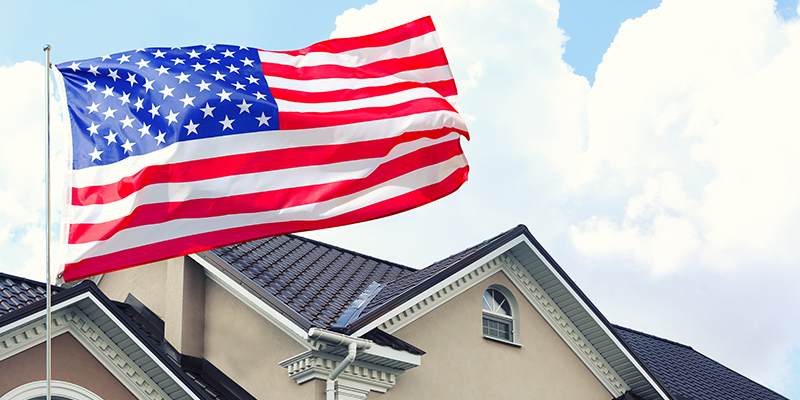
There is no denying the importance of military service in the United States. In fact, it is so important that there are specific days dedicated to celebrating those who have served or are currently serving in the United States Armed Forces. Military personnel and veterans have fought and continue to fight for the nation’s freedom. And one of the ways Americans can show their support is to fly the U.S. flag.

Some Americans display the U.S. flag only on certain holidays, such as Veterans Day, Memorial Day, or the Fourth of July. And then there are others who choose to display the flag all 365 days of the year. But, whether it is a Veterans Day flag or a year-round flag, many homeowners get slapped with a violation letter from their HOA. The letter almost always includes an order to remove the display or face a fine for each day the flag remains up.

When this happens, homeowners understandably feel angered or frustrated. Is flying the American flag really something that warrants a fine from the association? Can homeowners associations even prevent residents from displaying Old Glory?

While HOAs generally have the power to enact and enforce rules, these rules must always be consistent with federal and state laws. Outright prohibiting homeowners from flying the American flag would be in breach of the Freedom to Display the American Flag Act of 2005. However, this does not automatically mean HOAs have no authority to ask an owner to remove the flag. It really depends on the variables at play.


The Freedom to Display the American Flag Act of 2005

The American Flag Act specifically regulates homeowners associations, condominiums, and cooperatives. According to this Act, HOAs “may not adopt or enforce any policy, or enter into any agreement, that would restrict or prevent an association member from displaying the U.S. flag on residential property within the association with respect to which such member has a separate ownership interest or a right to exclusive possession or use.”

But, the Act also goes on to say that the display of the American flag must be done in a proper manner (consistent with the U.S. Flag Code). Moreover, the Act gives HOAs the ability to enforce reasonable restrictions on the time, place, and manner of display, provided these restrictions are necessary to protect property values.


Proper Display of the Flag

If a homeowner wishes to display the American flag, they must do so in a manner consistent with the U.S. Flag Code. While the Flag Code contains several provisions, some of the most important ones include:

  • Display the flag only from sunrise to sunset on buildings and stationary flagstaffs in the open. If an owner wants to display the flag 24 hours a day, they must ensure to properly illuminate the flag in the dark.
  • The flag must never touch anything below it nor touch the ground.
  • Owners must hoist the flag briskly and lower it ceremoniously.
  • The flag must be free of any drawings, markings, or insignia.
  • Owners must take the flag indoors during inclement weather unless they are using an all-weather flag.
  • On Memorial Day, owners should fly the flag at half-mast until noon to honor fallen military veterans. After that, they must raise it to the top of the staff.

It is worth noting that the Flag Code encourages owners to fly the U.S. flag on all days but especially on special days such as:

  • Veterans Day
  • Memorial Day
  • Constitution Day
  • Armed Forces Day
  • Labor Day
  • Flag Day
  • Inauguration Day
  • Thanksgiving Day
  • Christmas Day
  • And more!


Reasonable Restrictions Allowed

The Freedom to Display the American Flag Act of 2005 allows HOAs to place reasonable restrictions. Reasonable restrictions are those that help protect the character and interest of the association as well as the property values within the community.

Common restrictions include restricting the height of flag poles, the placement of flag poles, and the architectural style of the flag poles. Many associations also require owners to seek approval from the HOA board or the architectural review committee before displaying the American flag. The general objective of such a process is to make sure that the location and manner of flag placement align with both the community’s guidelines and the U.S. Flag Code.

If the governing documents permit, associations can also charge fines to owners who violate the flag rules of the community. The exact dollar amount of such fines can vary from one association to another. That being said, it is normal for HOAs to fine owners for each day the flag display remains in violation of the rules.


Advice for Homeowners Associations

veterans day flagWhen it comes to flag rules, HOA boards should act carefully because there is a lot of room for liability. In fact, several lawsuits have emerged from this very dispute — from Florida and Texas to Ohio and Kansas. And the last thing any HOA wants is to deal with expensive lawsuits. There’s also the backlash that comes with being featured in headline news.

Boards should keep in mind that they cannot prohibit homeowners from flying the U.S. flag. While reasonable restrictions are allowed, it is not easy to come up with rules that follow federal and state laws while simultaneously keeping a tight rein on architectural standards. As such, it is always best to seek the help of a lawyer to draft the community’s flag rules.

Once an HOA has completed its flag rules, it is imperative to communicate these rules to all homeowners. This way, everyone knows what they can and can’t do. It is also a good idea to re-distribute these rules right before patriotic holidays to remind owners and help minimize violations.


When In Doubt

Displaying the U.S. flag is one of the simplest yet meaningful ways to show patriotism. Homeowners associations should, therefore, tread cautiously when it comes to enacting and enforcing flag rules. When in doubt, it is best not to ask homeowners to remove the American flag in HOA communities, unless the display is clearly in violation of the Flag Code and the HOA’s lawful flag rules.


RELATED ARTICLES:


HOA Board Meetings: Types, Planning, And Purpose

Homeowners association board meetings are where important decisions are made. There are different types of HOA meetings depending on the purpose or matter at hand. For efficient and productive HOA board meetings, here’s what you need to know.


What Are the Different Types of HOA Board Meetings?

Not all HOA board meetings are the same. There may be different players depending on the type and purpose of the meeting. Here are the most common types of meetings you will encounter in an HOA community.


1. Annual Meeting

The annual meeting is open to all members of the HOA community. It usually takes place at the beginning of each year. The purpose of this meeting is to inform homeowners of what has been going on in the community and what to expect for the year. HOA board members often give a recap of the previous year before presenting the annual budget, upcoming projects, and committee reports. The election of new board members also takes place during the annual meeting.


2. Board Meetings

Meeting in progress, words printed on a blackboard | types of hoa board meetingsHOA board meetings are held throughout the year. Depending on your governing documents, board members may be required to meet monthly or quarterly.

The purpose of board meetings is to discuss HOA-related matters such as new policies, maintenance projects, and committee reports. Unfinished business from the previous board meeting may also be discussed.

HOA board meetings also have an open forum where homeowners can voice out their concerns and suggestions. However, they should give advance notice as only topics in the HOA meeting agenda can be discussed.


3. Executive Sessions

Unlike other types of HOA meetings, executive sessions are strictly for board members only. The purpose of these closed-door sessions is to discuss sensitive or confidential matters such as contracts, delinquent assessments, personnel issues, and legal matters. Accordingly, the HOA board meeting minutes are not released to the public.


4. Committee Meetings

For larger HOAs, board members can delegate some of their duties and responsibilities to committees. As such, the purpose of committee meetings is to discuss matters related to their objectives and duties.

For instance, an architectural committee may use the meeting to review architectural applications and appeals. Committee meetings may include some or all board members. These HOA meetings are also open to the entire community.


5. Special Meetings

All HOA board meetings require advanced notice, except for special meetings. A special meeting may be called due to an emergency or if there is an issue that requires immediate action from the board. The president or the majority of the board may call for a special meeting. It can be held over the phone or through email as long as all members have agreed and put in writing.


How to Plan HOA Board Meetings

Do your HOA board meetings suffer from low attendance? Do your meetings normally drag for hours and hours? If so, it might be due to poor planning. If you want to be efficient and productive, here are some tips to keep in mind when planning your HOA board meetings:


1. Refer to Your Governing Documents

Board members should refer to the governing documents to establish HOA board meeting protocols. You will be able to determine the HOA meeting rules and requirements when it comes to agendas, minutes, and quorum. Apart from having effective and productive HOA board meetings, it’s important to conduct these sessions according to the protocol stated under the governing documents.


2. Create an Agenda and Stick to It

Board members already have limited time to attend to HOA matters; their time shouldn’t be wasted on overly long and unproductive meetings. If you want to stay inside or near the ideal 45-minute meeting length, you need to create an HOA board meeting agenda — and stick to it no matter what. You can also assign time limits for discussing certain topics to prevent board members from talking too long. If the time runs out, table the issue until the next meeting.


3. Send HOA Meeting Notices Early

Board members must provide adequate notice ahead of a scheduled meeting. However, in cases where a quorum is needed — such as the annual HOA meeting — consider sending an HOA meeting notice as early as possible. Homeowners are very busy so it’s better to inform them before their schedules become packed. This is a great way to increase attendance during HOA meetings.


4. Set Up a Community Suggestion Box

Homeowners’ input is very important but not everyone has the time to attend HOA meetings. To address the many concerns of homeowners but also maintain structure and brevity, consider putting up a community suggestion box.



This way, when homeowners see their concerns listed on the agenda, they will make it a point to attend the scheduled meeting. By implementing a schedule or limit to the open forum, the board can prevent meetings from dragging on for hours.


5. Always Remember to Take HOA Meeting Minutes

HOA meeting minutes are not only mandated but they are also very useful, especially for homeowners who are unable to attend the meetings. The board secretary — or an authorized representative — is responsible for taking minutes during every HOA meeting. In case there are misunderstandings, issues, or potential litigation, HOA meeting minutes can help clarify the situation or serve as legal records.


How to Keep HOA Board Meetings Efficient and Productive

As a board member, it’s important to know how to run a homeowners meeting. Apart from abiding by your governing documents, proper planning is the key to having efficient and productive HOA board meetings. Make sure to settle the agenda ahead of time so that you can give as much notice as possible. If there are a lot of discussion points, it can be helpful to have an HOA annual meeting checklist. HOA boards can also consult their management company or use HOA tools to make the entire process stress- and hassle-free.

If you need help with your next board meeting or other HOA-related concerns, feel free to reach out to the Condo Manager team. Call us at (800) 626-1267, email us at sales@condomanagerusa.com, or contact us online to learn more about our HOA software solutions.


RELATED ARTICLES:


LIVE CHAT