
11 HOA New Year’s Eve Party Ideas For The Community


A new year marks the beginning of a new chapter, which is why cultures around the world celebrate the momentous occasion. For homeowners associations, it is a chance to bring residents together. If you’re running out of HOA New Year’s Eve party ideas, you’ve come to the right place.
Welcome 2022 With These HOA New Year’s Eve Party Ideas
The holiday season is the perfect time for people to relax and enjoy quality time with their loved ones. For many others, though, it is a time to celebrate and let loose. After a physically and mentally exhausting year for homeowners associations, a celebration is certainly deserved.
One of the challenges of planning an HOA New Year’s Eve party, though, is coming up with ideas. From party themes and favors to activities and costumes, here are some of the best ideas for New Year’s Eve events.
1. Livestream the Ball Drop
The Times Square Ball Drop is a headline event that attracts at least a million attendees every year. But, for those who can’t make it in person, the event is televised on a national scale. As a way to bring the community together, consider counting down to the new year by streaming the ball drop at the community clubhouse. The HOA can organize the event, serve simple snacks and drinks, and show the ball drop through a screen or projector.
2. Stick to a Simple Dance Party
 Who says HOA New Year’s Eve party ideas need to be complicated and fresh? Even a modest dance party can do wonders for community spirit. The great thing about a dance party is that it caters to all ages. Kids, adults, and elderly residents alike can participate and have fun. Add some refreshments, a few snacks, and perhaps even a disco ball, and you’ve got yourself a banger!
3. Countdown With a Movie Marathon
Parties don’t have to be physically engaging. Homeowners associations can keep it simple by organizing a movie marathon that ends at midnight on New Year’s Eve. Guests can bring their own snacks and beverages or the HOA can provide them for a fee. Some of the best movies to watch this holiday season include “About A Boy,” “Sleepless In Seattle,” “Love Actually,” and, of course, the star-studded “New Year’s Eve.”
4. Bring Vegas to Your Community
In need of HOA New Year’s Eve party ideas for adults? Bring out the poker sets and blackjack tables — it’s Vegas night!
To plan a Vegas-themed New Year’s Eve party, an HOA will need a space big enough to accommodate card tables and guests. The community clubhouse will usually suffice. It may also be necessary to rent gaming tables, though a DIY approach is also possible. Of course, it is a good idea to play with fake money for legal reasons.
5. Get Started With a Workout Party
The two most popular New Year’s resolutions for Americans this year are to improve their fitness and to lose weight. Homeowners associations can encourage residents to get a head start on their resolutions by counting down with fitness classes. This one is relatively easy to set up if the HOA already has a gym or fitness center. Though, classes can also take place in other common spaces. Some of the best community workouts to organize include aerial silks, cycling, restorative yoga, and dance classes.
6. Get Fancy With a Masquerade Ball
 Transformation is a key element of New Year’s celebrations, so it makes sense to plan a masquerade ball. To attend, guests must wear masks and formal attire.
Associations can also provide masks at the venue to take the burden off of residents. With a masquerade ball, HOAs can encourage residents to tap into their mysterious sides. For an extra dash of adventure, count down to midnight with a New Year’s Eve kiss before asking guests to take their masks off.
7. Get Competitive With Games
Parties are more fun with games, so associations can consider planning a game night instead. Residents can bring their own board or card games from home to share with everyone else. Alternatively, the HOA’s social events committee can organize party games ahead of time and even offer a prize for the night’s ultimate winner. Gift checks to local shops and restaurants work great, though cash prizes are fine, too.
Some of the best HOA New Year Eve party games ideas include:
- Musical chairs
- Charades
- Pictionary
- Heads up
- React and act
8. Have a Bubble-Themed Night
One of the more unique HOA New Year’s Even party ideas is a bubble-themed night. To throw such a party, HOAs can decorate the venue with balloons and streamers. For kids, associations can hand out bubble blowers or bubblegum to enjoy. As for refreshments, you can get creative by serving bubbly water, champagne, and even bubble tea. Then, before the night ends, the HOA can give away bubble bath bombs as party favors.
9. Stay Comfortable With a PJs Party
Sometimes, it is much easier (and more comfortable) attending a party in your jammies. Homeowners associations can change things up this year by throwing a pajama party instead of a fancy one. Guests can come sporting their favorite or most eccentric sleepwear along with comfy slippers. Decorate the venue with bedsheets and lay down pillows on the ground in place of chairs. For activities, watching a movie or telling exciting stories work great. Finally, as HOA New Year’s Eve party favors, you can hand out soft socks.
10. Have Some Fun in the Sun With an Outdoor Party
 One of the best HOA New Year’s Eve party ideas for kids is to throw a daytime party outdoors. Kids often need to be in bed by a certain time or they get sleepy before midnight.
As a way to celebrate with them without having to keep them up too late, an HOA can host an outdoor New Year’s Eve party. The party can include snacks, beverages, and games, as well as an early countdown. Aside from kids, this type of party works perfectly for the elderly and those who simply can’t be bothered to stay up until midnight.
11. Have a Virtual Party
The past two years have been wrought with uncertainty due to the COVID-19 pandemic. Even with vaccines available, there are still a lot of people who are afraid to go to crowded places, especially with a new variant of concern spreading. As a compromise, homeowners associations can plan a remote New Year’s Eve party instead. The party can take place on Zoom while residents stay in their respective homes. It can include games played over an online platform and end with a countdown to 2022.
Not a Dull Moment
Ringing in the new year is always more fun when done with other people. For homeowners associations, this is the perfect opportunity to spread some holiday cheer while fostering community camaraderie. Start with these excellent HOA New Year’s Eve party ideas!
RELATED ARTICLES:
- Condo Decorations Rules: Fair and Unfair Policies
- Self-Managed HOAs And HOA Management Companies: Why Use Software For HOA Management
- HOA Communication Tools And Policies For Better Communication

 After putting in a request for an architectural change, homeowners should not be left wondering when they will receive a reply. Thus, it is important to set a prompt deadline for review. The HOA board or ARC must get back to owners within X number of days with a response.
 Have an HOA architectural review request form ready for download on your website.
 If your neighborhood does not have enough parking space for guests, ask them to carpool instead. Your neighbor may also be able to lend you a parking space or two. Noise rules also likely exist in your community. This usually means no loud noises beyond a certain time, so keep the laughter and holiday music on low volume.
 Leave a light on inside to give the illusion of someone at home. To save on energy, install timers that turn on your lights at specific hours.
 5. Plan for Food
 When too many homeowners fail to pay their dues, it could result in a budget deficit. The association won’t have enough money to pay for necessary expenses.
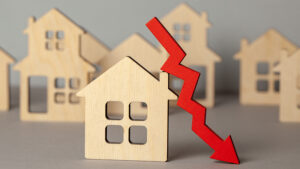 It does not take a rocket scientist to conclude that, when you combine all of the above, property values will naturally go down.
 A common pain point among management companies is having to spend time and resources on employee training.
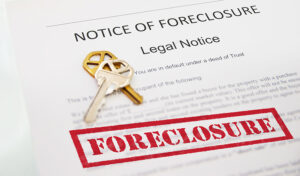 Judicial Foreclosure. This type of foreclosure normally takes more time and work as it requires the HOA to go through court. Using this method, your HOA will need to file a lawsuit and obtain a court judgment against the homeowner. This judgment will allow the HOA to sell the home to satisfy the owner’s debt.
 Technology has made it significantly easier to transfer money from one account to another. Money-transfer apps, in particular, have gained popularity because of their lower fees, ease of use, accessibility, and speedy transfers. But, can an HOA use money-transfer apps like PayPal and Venmo to collect dues?
 1. External Economic Factors
 One of the most effective ways to avoid increasing HOA fees is to budget smartly. An HOA board should not allocate more funds than it needs to pay for expenses. No frivolous spending.
 Homeowners miss payments all the time for any number of reasons. Sometimes, they don’t have time to write and mail in their checks. Other times, they simply forget. An HOA online payments system, though, can greatly reduce instances of late payments.
 The entire point of using an electronic payment system is to make it more convenient for everyone. As such, you should consider the users. The system should be easy enough for homeowners to navigate, so much so that they will actively choose to use it over traditional methods.
 Some associations offer discounts to owners who pay their dues ahead of time.

 LIVE CHAT