
HOA Violation Process: What’s The Right Way To Handle HOA Violations?

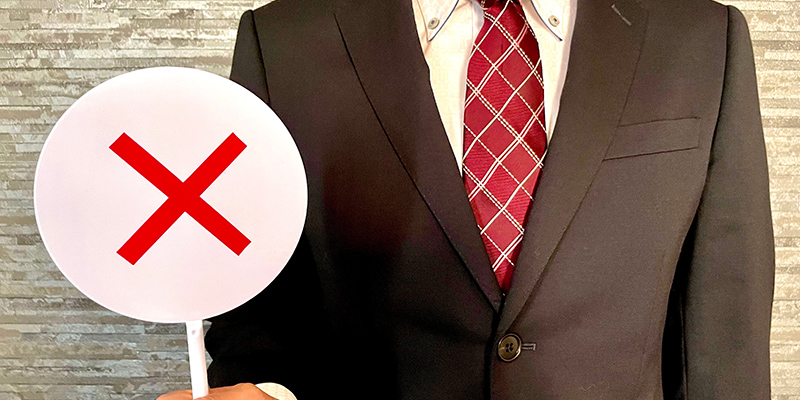
The HOA violation process is among the most challenging parts of managing a community. HOA managers and board members have a duty to enforce rules and promptly handle violations. But, they must also be careful to follow due process to keep things fair and avoid liability.
HOA Violation Process
The HOA violation process can be tricky to get right. But, there is a proper procedure for handling offenses made by community members. Here is how to handle HOA violations the right way.
1. Check the Governing Documents
When someone makes a violation report against a resident, it’s best to check the governing documents first. Thoroughly review all the rules in the CC&Rs or bylaws to verify the violation’s legitimacy. The governing documents may also contain enforcement policies that the HOA board must follow.
2. Send a Warning Letter
 After verifying the violation’s validity, board members might think holding a hearing is the next step in processing HOA violations. But, not all violations require a hearing. That’s because some violations are not as severe. A simple warning letter may be enough depending on the rule being broken and the resident’s violation history.
For example, let’s say the association limits the types of plants homeowners can have in their yards. But, a homeowner is unaware of this rule and decides to plant a prohibited flower. In this case, the HOA may issue a warning letter to ask them to correct their mistake. This allows the HOA to resolve the issue more peacefully without escalating minor violations.
3. Send an HOA Violation Notice
If the homeowner does not listen to the warning letter or the violation is serious, it’s time to take further action. Part of HOA violations processing involves holding a hearing. But, before the HOA can do this, the board must first issue a notice of violation.
The notification process may differ from association to association. Some states regulate the way notices are sent. For example, California’s Civil Code Section 5855 specifically states that homeowners associations must send a written notice to violators 10 days before a hearing. Meanwhile, other states have less formal regulations regarding violation notices. The HOA’s governing documents often dictate the notification method and timeline in these cases.
Regardless, sending a notice to homeowners will help them stay informed of their violations. It also gives them enough time to plan and adjust their schedule to attend the hearing.
4. Hold a Hearing
After sending the notice comes the HOA hearing process. This is simply a meeting between the offending resident and the HOA board. It aims to establish the violation’s validity and give the homeowner a chance to explain their side. Homeowners can then present reasonable arguments against the violation and present evidence that may affect the board’s final decision.
5. Make a Decision
After the hearing, the board must render a written decision within the timeframe outlined in the CC&Rs. Depending on how the hearing went, the board may determine that there was no violation after reviewing the homeowner’s evidence. But, they may issue HOA violation fines for non-compliance or if the homeowner doesn’t rectify the problem if the violation was found to be valid.
6. Appeal and Dispute Resolution

Once the decision is made, homeowners still have the right to appeal. This is usually determined by the HOA’s governing documents or state law. A homeowner may contest the decision because it is unreasonable or discriminatory. For example, one other resident may have committed the same offense but did not receive the same punishment.
On the other hand, the association may not have followed the proper procedure for sending notices or conducting hearings. As such, the HOA may need to reissue the notice with the right information within the proper time frame. They may need to undergo the process again.
HOA board members need to make decisions consistently and follow proper procedures. They must not decide arbitrarily or behave unreasonably when issuing notices or enforcing rules. Otherwise, this may waste the association’s time or cause more conflict.
In some states, homeowners associations can resolve disputes through arbitration or mediation. The process will include a mediation panel that can resolve the issue. Members can visit the American Arbitration Association website for resources and more information.
7. Suspend Rights and Privileges
If the homeowner refuses to pay the fees or comply with the decision, the HOA may suspend their rights and privileges. This involves prohibiting them from using amenities like pools, gyms, or clubhouses. It may also involve suspending them from community events or revoking their voting privileges.
Suspending a homeowner’s rights and privileges can pressure them to comply with the HOA. It will push them to correct their violation and pay whatever fines they owe the association. Once they rectify the issue, the suspensions may be lifted, and they can enjoy their rights and privileges again.
8. Take Legal Action
Finally, the homeowners association may take legal action and file a lawsuit to force compliance. In certain cases, they may also place a lien on the homeowner’s property. Taking legal action should be a last resort as litigation is long, expensive, and can lead to negative feelings within the community. It is not something HOAs must decide on lightly.
Moreover, there may be certain caveats to taking legal action. For example, the homeowners association may be in trouble if the violation isn’t found to be completely valid. They may also be liable if they did not follow due process. The board should always consult their HOA attorney and management company before proceeding with litigation.
Creating a Peaceful Community
Following the proper HOA violation process is vital to creating a peaceful community. After all, the rules are there for a reason and can promote order within the neighborhood. Proper and unbiased rule enforcement can help maintain the community’s reputation, property values, and security. It can also foster a sense of trust in the HOA’s leadership.
Are you struggling with enforcing rules? Condo Manager can help. We offer industry-leading HOA management software for management companies and self-managed communities. Call us today at 800-626-1267 or get in touch with us online for a free demo!
RELATED ARTICLES:

 Fencing, Entrances, and Security Services. These vendors help monitor and improve the community’s security.
 Reliable vendors will usually provide licensing and bonding proof to reassure their clients. Otherwise, homeowners associations should ask for these documents to prove that the vendor is qualified. This is crucial as credentials may determine how well the vendor performs. Moreover, it’s especially important for tasks that require technical skills, such as property development or engineering.
 When a vendor performs poorly and cannot be negotiated with, HOAs may want to terminate the agreement. But, are homeowners associations allowed to end vendor contracts for poor performance? Can they fire a vendor for a botched job?
 Generally speaking, rental restrictions aim to protect property values and promote community standards. An HOA with more renters usually sees higher liability insurance rates and lower property values. Other financial institutions, such as banks, are also more hesitant to offer loans to HOAs with more renters.
 Many homeowners’ associations screen prospective tenants. This allows the HOA to avoid renters that might harm the community. Often, the board will implement this by asking for the tenant’s application form. The board will then review the application before the homeowner can finalize the lease agreement.
 Directors and Officers (D&O) liability insurance is among the most important HOA insurance policies. It essentially protects the board of directors from various lawsuits and settlements against them.
 Many HOA insurance policies have limitations. If you want to go beyond these limits, you can also purchase Commercial Umbrella Liability Coverage. This helps you stay protected when your D&O or Workers’ Compensation policy can’t cover the costs. The umbrella may also expand your coverage on other policies.
 Ingredients:
 Ingredients:
 Ingredients:
 General Liability. This includes expenses that the HOA may incur when there’s a lawsuit against the association. For example, someone may get injured within HOA property and hold the homeowners’ association liable. In such cases, your HOA insurance policy will cover the costs.
 What If Your HOA Insurance Doesn’t Have Sufficient Coverage?
 Both homeowners’ associations and condominium associations need liability insurance. But, an HOA policy insurance for a condo will differ slightly in how it works.
 nsurance policies like these vary greatly in terms of cost. It usually depends on how large the HOA is and how many facilities it has. Larger communities with more amenities can expect to pay more. Meanwhile, smaller communities have less to pay for. They may only need to insure the basics like roads and walkways.

 2. They Might Infect Pets With Diseases
 It is not enough to simply have rules regarding pets. An HOA board that wishes to limit stray cats in the community should also adopt rules on stray animals. A common rule is prohibiting residents from feeding the strays and avoiding any kind of interaction with them. Residents should resist the urge to feed the strays.
 2. Hold Better Board Meetings
 6. Adopt a Personal Approach
 10. Show Your Appreciation

 LIVE CHAT