
How To Choose The Right HOA Contractors To Deal With

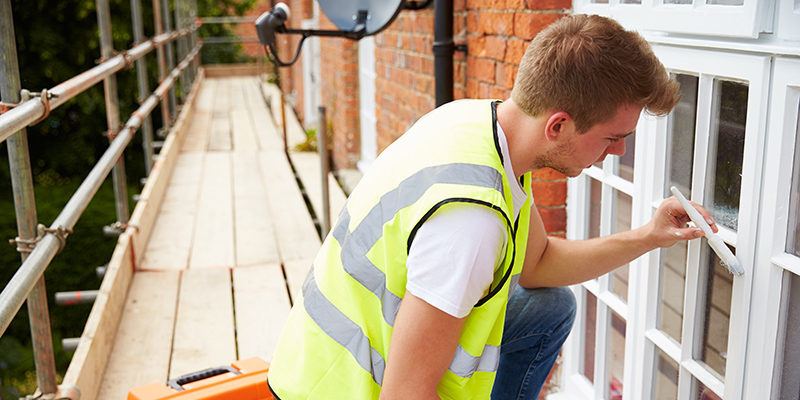
Choosing the right HOA contractors is essential to community success. It could make or break the community’s curb appeal and lead to financial losses. How can HOAs pick the right HOA contractor? Let’s find out.
Choosing Good HOA Contractors
Choosing the right contractor can be challenging, especially if the association doesn’t already have a working relationship with reliable vendors. Picking the wrong one can put stress on the board and homeowners. Moreover, it wastes the HOA’s money and may result in liability.
Is your HOA hiring contractors? If so, what should the board members do to ensure they choose the right ones? Here are some steps the association should take.
1. Check the Governing Documents
The governing documents should contain HOA contractor guidelines to help the board understand what vendors they must hire. These documents should outline the association’s maintenance responsibilities and the services it must provide.
If the board is having trouble understanding the intent of the governing documents, they can also seek help from an HOA management company or HOA attorney. These professionals can help ensure they fulfill their fiduciary responsibility to the community.
 2. Allot a Budget for the Contractor
One of the most important parts of hiring contractors for your HOA is setting the right budget. The board must do its best to protect the community’s interest.
To avoid overspending, the board members should allot a concrete budget for the HOA contractors they will hire. The budget must be high enough to hire a reliable contractor without breaking the bank.
3. Get Quotes from Many HOA Contractors
Signing an HOA contractor agreement with the first vendor you find is usually a bad idea. That’s because the first contractor isn’t always the best choice. The board members should obtain quotes from at least three contractors before signing a contract. Consider getting referrals from friends, fellow homeowners, or HOA management companies.
Afterward, the board should send a request for proposal (RFP) to each contractor. The RFP should contain the HOA’s expectations from the vendor. Once the HOA receives the quotations, the board can evaluate them based on price, service inclusions, and quality. They can also interview each contractor’s representative to understand what they’ll get from the deal.
4. Check References
Consider it a red flag if a contractor refuses to provide references. However, if the contractor does give references, the board should diligently call or meet with these former clients to ask about their experiences. This should help the board gauge whether or not the contractor delivers good service.
If the board wants to be sure, they can also ask the contractor to provide addresses of similar projects nearby. Ideally, the projects should be ongoing or just recently completed. The board can visit these sites and speak with each neighborhood’s HOA members to evaluate the contractor if possible.
5. Verify Licenses, Credentials, and Insurance
It’s not enough for contractors to provide good service. They should also have the right licenses and credentials required by the industry. The contractor should also have proper general liability and workers’ compensation insurance.
For some, an HOA using unlicensed contractors might be a non-issue. However, doing so puts the HOA at risk of lawsuits if there are injuries or property damage during the project. While the HOA’s insurance policy might cover the association, it’s best to pass the cost onto the contractor and their insurance company.
6. Verify Subcontractor Bonding
Some HOA contractors might hire subcontractors to fulfill certain parts of the job. If this is the case, the homeowners association should make sure the contractor is bonded. This means the subcontractor will be subject to the same requirements as the main contractor.
 7. Create a Written Contract
Hiring contractors based on verbal agreements may be tempting, but it’s generally not wise. Written contracts will protect the HOA as they outline the agreement’s various terms, prices, and payment methods.
Moreover, it’s best to establish a clear scope of work in the contract to avoid misunderstandings. This lets both parties completely understand what will be done and how much it will cost. The parties can also establish the pricing in case of extra services performed.
8. Negotiate the Price
Negotiating a contract can be difficult. However, it’s a good idea to try, as negotiating the price can save a lot of money down the road. The board shouldn’t hesitate to ask for discounts or about bulk pricing. This is especially true if the community is large and requires continuous work from the contractor.
9. Final Review
Before signing the contract, make sure to go through the terms with an experienced HOA attorney. They can help spot loopholes or other potential problems in the contract terms. Once everything seems ironed out, it’s time to sign the agreement.
10. Communicate Regularly
Most homeowners associations might think the process stops at the contract signing. However, it’s crucial to continue communicating with the contractor during the course of the project. This ensures that the community is kept informed of the project’s progress.
Moreover, continuing communication will allow the HOA to gauge the contractor is responsiveness. Do they answer the HOA’s questions or respond to concerns? How is their customer service? Good contractors stay responsive even after the contract signing.
If they become unresponsive or uncommunicative, it may eventually pose problems for the association. As a result, the HOA can re-evaluate its relationship with the contractor and find a new one, if necessary.
Hiring HOA Contractors the Right Way
If the HOA board is the community’s brain, HOA contractors are the internal organs. They keep the community well-maintained and functioning properly. That’s why HOAS need to choose the right ones to work with carefully.
Homeowners associations work with many contractors to run the community. This can be confusing, especially for large communities with more projects. A reliable program like Condo Manager can help if your community is having trouble. Call us today at (800) 626-1267 or contact us online to request a demo!
RELATED ARTICLES:
- There’s More To Putting Up HOA Fences That Homeowners Know
- What Is Encroachment In HOA Communities? How To Resolve This Issue?
- HOA Disputes: What’s The Proper Way To Handle These?

 3. Install Adequate Lighting
 5. Install Alarm Systems and CCTVs
 7. Create a Neighborhood Watch
 It’s the board’s responsibility to enforce the HOA rules. This may be difficult to do all the time, especially for large communities. Nonetheless, it’s not enough to assume people will follow the rules given by the homeowners association. The board should proactively check for any potential violations.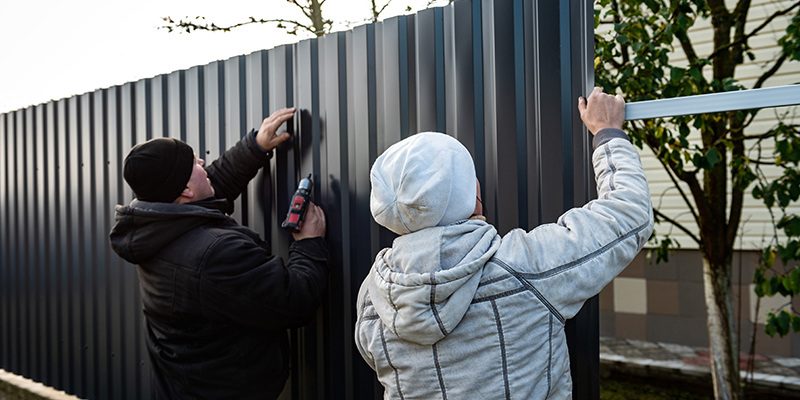
 2. Height Requirement and Restriction
 4. Material/s Used
 6. Maintenance Obligations
 An HOA not allowing fences is not uncommon. Countless associations prohibit homeowners from constructing fences. However, whether or not a particular HOA has this power depends on state laws and their governing documents.
 Thanksgiving and football are two classic American events. Why not put them together and have a community football gathering? It’s perfect for neighborhoods with a local NFL team or football college.
 9. Thanksgiving Pumpkin Patch
 Encroachment issues happen not just between homeowners. At times, some homeowners may even encroach onto common areas. While there may be easements for these types of encroachments, this is not always the case.
 When it comes to resolving encroachment in HOA communities, the best place to start is by engaging in informal discussions. The affected party should approach the encroacher. They may simply be unaware of the encroachment and can quickly resolve the issue.
 The HOA board should assign someone to investigate the complaints received. This person may be a board member or other volunteer. If the dispute is between a homeowner and the HOA board, the person assigned should be a neutral third party to avoid conflicts of interest. They can appoint the HOA manager or even the
  Mediation
 Many states require businesses to have insurance coverage for workers’ compensation. It often becomes mandatory when a business employs a certain number of people. However, some states require it even if a business hires only one person. For instance, the
  The cost of this insurance policy varies per insurance company. It also varies depending on several factors, including an HOA’s size, job types, and the number of volunteers and employees. Insurance providers also look at the HOA’s past records to see how often workplace illnesses and injuries occur. This can increase the premium cost they charge.
 Elections and voting are often a point of contention for many homeowners associations. After all, the community’s board of directors takes charge of the association’s affairs and heavily influences community matters. Many homeowners associations complain when the board is heavy-handed or abusing its power.
 7. Raises Reputation
 HOA work order management is an essential part of running a homeowners association. That’s because dozens or even hundreds of service requests and work orders can come in at a time. Without
  Homeowners associations should conduct regular inspections of community property. This limits the number of service requests that come in and keeps maintenance work to a minimum. It can also save money in the long run.
 Activities are great but
  If you want to involve your child’s friends, why not host a neighborhood sing-along? You can choose a patriotic or relevant song like The National Anthem, Living in America by James Brown, or 9 to 5 by Dolly Parton. There are many more to choose from.

 LIVE CHAT