
Drainage Problems In HOA: What To Do?

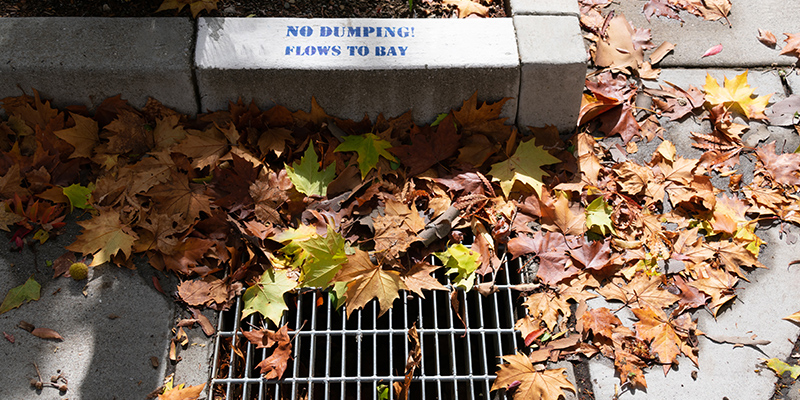
Whether it’s due to rain, snow, or simply improper sewage systems, drainage problems in HOA communities are not unheard of. In fact, they can be fairly common in low-lying or poorly constructed neighborhoods. What do you do when it happens? Let’s find out.
The Impact of Drainage Problems in HOA Communities
Drainage problems in HOA communities can have a significant impact on community living and property. The following are the most common consequences of improper drainage:
- Poor Aesthetics. Improper drainage can lead to unsightly standing water in the community’s yards and common areas. They can be unappealing to onlookers which can reduce the HOA’s property values.
- Pest Infestations. Standing water is a breeding ground for pests like mosquitoes. As a result, homeowners may suffer from infestations and pest-related illnesses.
- Water Quality Problems. Poorly managed stormwater runoff can carry pollutants like trash, oil, and sediment that can lead to poor water quality in local resources.
- Erosion. Improper drainage can cause soil erosion which is bad for the environment. Moreover, it can compromise the structural integrity of nearby infrastructure such as homes, roads, and sidewalks.
- Flooding. Insufficient or poor drainage can cause flooding, leading to property damage for the HOA and its residents. It can also be inconvenient as flooding prevents people from freely entering and leaving certain areas.
Common Causes of Drainage Problems and How to Fix Them
There are several causes of drainage issues in homeowners association communities. Here are the most common causes to watch out for.
1. Blocked or Clogged Basins
 Poor drainage in HOA communities can result from something as simple as clogged drains. Remember to check the catch basins and storm drains in the HOA’s private roads. Make sure they’re unobstructed to keep the stormwater away.
Clean up all the vegetation, debris, and trash around the area. If the community is large, consider adding public trash cans so community members can dispose of their garbage properly.
If your community has problems with clogged drains, it’s likely a result of poor maintenance. The community should allot enough money to clean the streets and remove debris from drainage systems. It’s a relatively simple solution, but it works wonders for fixing drainage problems in HOA communities.
2. Improper Slopes
Proper slopes in driveways and roads can cause chronic flooding in HOA communities. This is a design problem related to the developer’s original construction. For example, if the streets were paved higher than the ends of driveways, the developer didn’t consider stormwater drainage. It could also be a landscaping issue if landscapers don’t consider the drainage system.
You’ll know there’s an improper slope in the community if water pools only in certain parts of common areas or homeowner yards. In some cases, homeowners associations can fix this by repaving the streets. However, severe cases may require the help of an HOA contractor, such as a design engineer. The engineer will assess the issue and recommend ways to enhance the drainage system to accommodate the design flaws.
3. Improper Landscape Grading
A stormwater drainage problem in HOA communities can be caused by improper grading. Grassy areas and other landscaping must be graded properly to facilitate the drainage of stormwater. Otherwise, it can lead to flooding and other issues. After it rains, consider observing any low-lying landscapes to see whether there is ponding or areas of standing water. This indicates a drainage problem that could be caused by improper grading.
Fortunately, HOA drainage problems like these are easy to remedy. Sometimes, the solution is as simple as reworking the areas to add a stormwater management solution. For example, the HOA could add a grassed swale or mulch to the landscaped bed areas to drain the stormwater.
Adding a grassed swale creates a channel where the water can collect and drain out. Often, these contain vegetation made to guard against soil erosion. Meanwhile, mulching is great for compacted soil. It boosts the soil’s ability to absorb water and prevent it from collecting on the surface.
4. Lack of Stormwater System Maintenance
 Some HOAs may have a stormwater management system that hasn’t worked well. This is often due to the lack of maintenance and regular inspections.
HOA board members should stay on top of routine inspections to quickly identify problems before they start. Doing so also prevents sidewalks, roads, driveways, and landscaping damage that could lead to more maintenance work.
Stormwater system maintenance is especially important before the rainy season. Otherwise, the community may have problems with ponding and even flooding. This could lead to devastating damage to the community’s common areas. It could also damage individual homes, leading to homeowner frustration and dissatisfaction.
How do you mitigate this? Firstly, the HOA board should install an effective stormwater management solution if the community doesn’t already have one. If they do, the board should take charge of the following maintenance responsibilities to keep their stormwater management system in check:
- Common area and easement inspections
- Debris removal and cleaning in catch basins and drains
- Creating slopes in open lawns for proper drainage
- Restoring eroded or compacted soil
- Repair of damaged or cracked concrete
Referring to the community’s original site plan and the CC&R’s maintenance guidelines might be helpful. Past drainage reports can also help the association pinpoint potential problem areas within the community. If the board can no longer access these documents, they can hire a drainage engineer to fix the community’s stormwater drainage system.
Additional Stormwater Management Tips
What stormwater management solutions can HOAs use to prevent drainage problems? Here are some long-term projects communities can undertake to manage stormwater runoff better.
- Green Roofs. HOAs can cover roofs with vegetation to reduce the flow of rainwater and delay the rate at which it flows down.
- Permeable Pavements. HOAs can use permeable materials for surfaces like walkways and roads to allow stormwater to seep into the soil. Instead of using concrete or asphalt, consider using porous asphalt, grid pavers, and pervious concrete.
- Rain Gardens. HOAs can install rain gardens that facilitate runoff to ponds in specific areas, allowing the water to filter through the plants and soil.
- Vegetated or Dry Swales. HOAs can use vegetated drainage paths to transport stormwater, slow runoff, facilitate infiltration, and filter pollutants.
- Constructed Wetlands. HOAs can create constructed wetlands to collect and filter stormwater.
Stay on Top of Stormwater Management
Many things can cause drainage problems in HOA communities. HOA boards need to stay alert and prevent any issues from arising. Otherwise, the community’s residents might think the board is not properly maintaining the community’s common areas. This could lead to conflict and even legal or financial liability when the damage is extensive enough.
Condo Manager is a convenient HOA management software that can assist HOA management companies and self-managed associations. Call us today at (800) 626-1267 or contact us online to book a free demo!
RELATED ARTICLES:
- Enforce HOA Parking Rules To Avoid Parking Issues In Your Neighborhood
- Can An HOA Restrict Security Cameras?
- Neighbors Tree Disputes: Who’s Right Or Wrong?
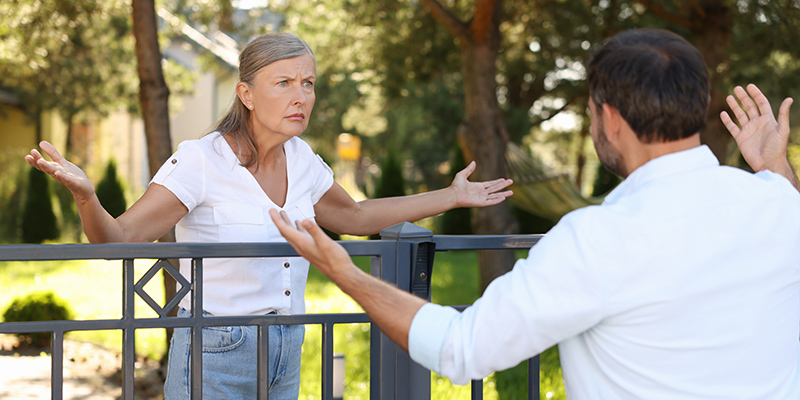
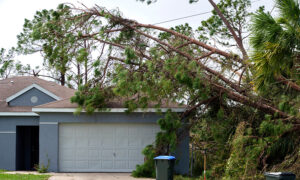 A neighbors tree can also cause damage and it can be hard to know who to hold responsible. There are many instances wherein these accidents are deemed as “Acts of God.”
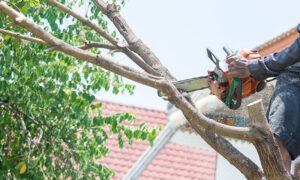 Can I Trim a Neighbor’s Trees Overhanging My Property?
 It’s best to talk to your neighbors to understand how much trimming would be enough. If they’re not asking for too much, and trimming doesn’t affect the tree’s health or aesthetics, it’s best to consider trimming it.
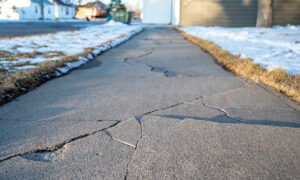 Sometimes, the lines may blur if someone else is directly or indirectly responsible for the damage caused to the sidewalk. For example, let’s say a homeowner planted a tree that damaged the sidewalk as its roots grew.
 HOA sidewalk maintenance is often a source of conflict in common interest communities. However, HOAs can easily prevent fights from breaking out if they clarify who is responsible for what. This way, everyone is on the same page and knows what their responsibilities are.
 2. Express Your Concern
 4. Replace the Director
 An HOA pool lifeguard is supposed to save swimmers when they drown. However, if the lifeguard doesn’t have the right training or skills to do so, they might fail at this very task. The HOA may face liability if it hires a lifeguard with no certification. That’s why it’s important to hire someone with training.
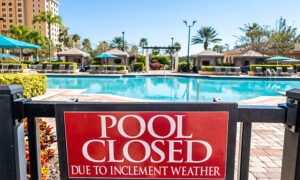 Consider adding lockable gates around the area if your HOA has a pool. This can help the board better regulate pool hours. Make sure to lock the gates during hours when the pool cannot be used. Also, remember to lock the gates when it’s not safe to use the pool, such as during the winter or when there’s an impending thunderstorm or natural disaster.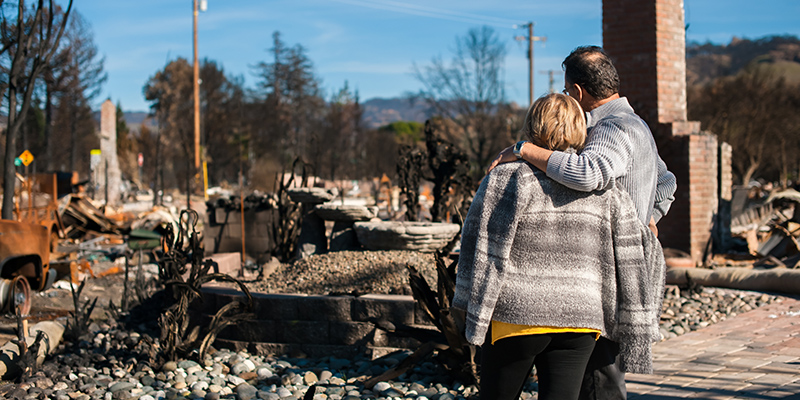
 Once the community has identified the potential threats, the HOA board should create various disaster emergency plans. It should contain all the necessary plans, including evacuation, recovery, and insurance policies.
 Emergencies cost a lot in repairs and replacement projects. Therefore, the board should set aside funds as part of the community budget to account for potential disasters. Moreover, the board should answer a few key questions related to budgeting, including:
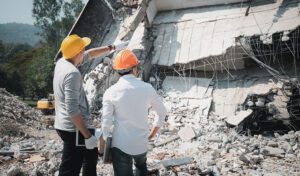 Once it’s safe, the HOA should assess the damage to the community as soon as possible. As such, the community must plan how to recover and rebuild the neighborhood.
 2. Allot a Budget for the Contractor
 7. Create a Written Contract
 3. Install Adequate Lighting
 5. Install Alarm Systems and CCTVs
 7. Create a Neighborhood Watch
 It’s the board’s responsibility to enforce the HOA rules. This may be difficult to do all the time, especially for large communities. Nonetheless, it’s not enough to assume people will follow the rules given by the homeowners association. The board should proactively check for any potential violations.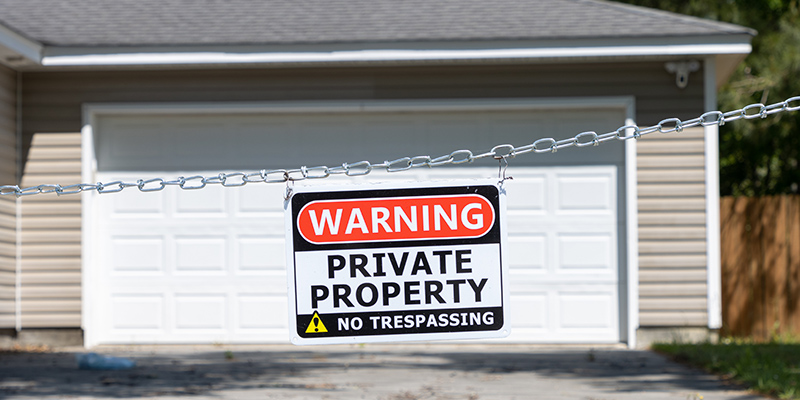
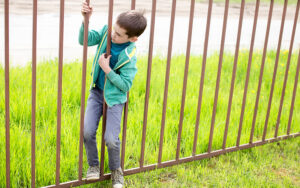 Encroachment issues happen not just between homeowners. At times, some homeowners may even encroach onto common areas. While there may be easements for these types of encroachments, this is not always the case.
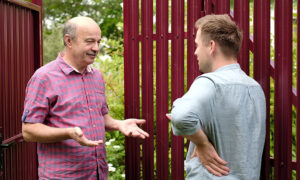 When it comes to resolving encroachment in HOA communities, the best place to start is by engaging in informal discussions. The affected party should approach the encroacher. They may simply be unaware of the encroachment and can quickly resolve the issue.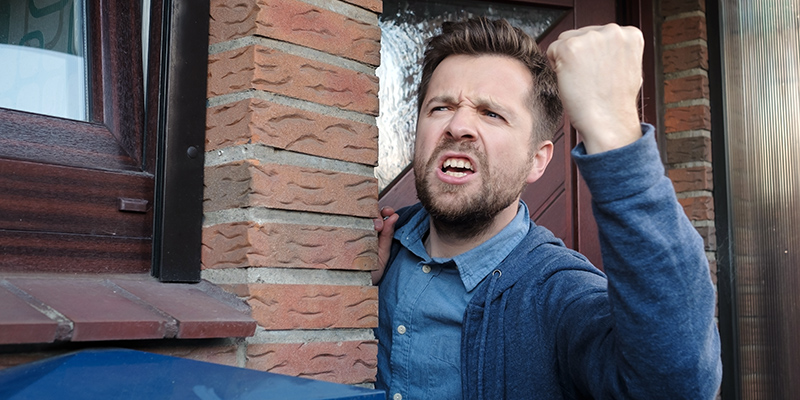
 The HOA board should assign someone to investigate the complaints received. This person may be a board member or other volunteer. If the dispute is between a homeowner and the HOA board, the person assigned should be a neutral third party to avoid conflicts of interest. They can appoint the HOA manager or even the
  Mediation

 LIVE CHAT