
HOA Trash Removal FAQs: Answers About HOA Waste Management


Key to maintaining a clean and well-organized community is HOA trash removal. If you’re wondering how HOA waste management works, this guide answers frequently asked questions about trash removal, responsibilities, rules, and best practices.
Is the HOA in Charge of the Garbage Collection?
Neighborhoods with no community associations usually have the state or local government manage trash collection. However, those with HOAs typically have full control over handling waste management services in the community. This is part of their responsibility to do regular maintenance for the community.
Usually, the HOA gets funding for waste management services through collecting HOA dues, which you may see in the HOA’s governing documents. The funds cover hiring costs and contracting with a waste removal company.
What Does HOA Waste Management Cover?
An HOA’s waste management services usually include more than just garbage collection to ensure the community is clean and organized. What the service covers, however, depends on the HOA’s budget, size, and the contracts negotiated with waste management companies.
Here are some services that most HOAs have:
Regular Residential Trash Pick-up
Household trash is collected every week or bi-weekly. This service ensures that trash, such as food leftovers, everyday packaging, and non-recyclable materials, is removed to prevent clutter, foul odors, or pests.
Recycling Services
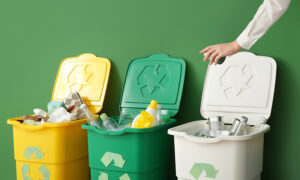
Many homeowners associations have adopted recycling programs as a key part of their waste management plans. For HOAs with this program, homeowners are usually provided separate trash bins for recyclable materials. This may include separate bins for glass, cans, plastics, paper, and cardboard.
Sometimes, HOAs go beyond and provide educational workshops for their residents about proper recycling practices.
 Bulk Waste Pickup
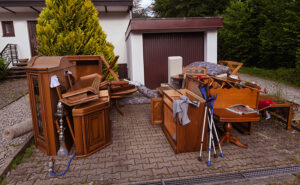
In many communities, it can be unavoidable for homeowners to need to get rid of larger items. Usually, oversized items like furniture, mattresses, and appliances are not included during regular HOA garbage collection days.
However, for some communities, part of HOA trash removal services is scheduling a pickup day for bulk waste or helping residents arrange special pickups with a waste management company.
Bin Maintenance
Many homeowners associations also handle the maintenance or replacements of trash and recycling bins across the neighborhood. By doing this, the HOA ensures all residents are equipped with the right tools to comply with community standards.
Community Drop-off Points
For some communities, designated drop-off points for HOA trash removal are assigned instead of picking up waste curbside. Usually, these locations are monitored by the HOA to ensure proper handling and prevent illegal garbage dumping.
Seasonal Waste Management
Some HOAs provide seasonal waste-related services. These may include leaf collection during the fall season or Christmas tree disposal after the holidays.
How Does the HOA Select a Waste Management Provider?
The responsibility of choosing a trash disposal service provider falls on the hands of the HOA’s board of directors. The board will have a list of waste management companies and evaluate each based on several factors, such as cost, reputation, and services. They may also get input from the residents to help with the decision-making process.
After the board has chosen a provider, they should continuously monitor the service provider’s performance to ensure they meet the community’s needs.
What are the Rules for Setting Out Trash Bins?
One of the most common HOA trash removal rules enforced is the proper placement of trash bins. These rules are usually in place to keep the community organized.
The rules will vary for every HOA and should be included in the governing documents. However, some standard guidelines include timing, placement, and removal.
When it comes to timing, residents are typically required to place bins outside on collection day mornings or the evening before collection day. Bins should be placed at the curb so as not to block anyone’s driveway or the sidewalk. Once the trash is collected, residents should promptly return the bins to their household’s storage areas.
The HOA may fine or penalize residents who fail to comply with bin rules.
What is Yard Waste? How Does the HOA Handle It?
Simply put, yard waste is organic waste that may come after lawn or yard work. This includes soil, grass clippings, fallen leaves, and small branches. HOAs often schedule separate pickups for this type of waste. After collection, waste management companies usually add the waste to compost or dispose of it via an eco-friendly process.
If residents need yard waste disposed of, HOAs may require them to take several steps to ensure the process remains environmentally friendly. These steps may include using biodegradable bags for loose leaves, clippings, and other organic debris and bundling branches depending on size.
In some communities, HOAs also provide seasonal cleanup services, which is especially crucial during the fall season or following a storm.
 How Does the HOA Handle Recycling?
Many homeowners associations practice and encourage recycling in their waste management plans. This aims to promote sustainability in the community. As part of the program, HOAs usually provide separate recycling bins where residents can segregate their recyclable trash.
HOAs also provide guidelines for items accepted, preparation for disposal, and a pickup schedule when disposing of recyclables.
What Items are Not Collected by HOA Trash Disposal Services?
Many HOAs have contracts with waste management companies. Those contracts include exclusions for certain types of waste that the contractors won’t collect. Usually, such items would need alternative disposal methods so that they won’t pose a safety risk to residents or the environment.
Some of these items include:
- Hazardous Waste (chemicals, paint, batteries, and fluorescent bulbs)
- Electronic Waste (monitors, computers, and other electronics)
- Large Appliances (refrigerators, ovens, and washers)
- Construction Debris (drywall or concrete)
Luckily, some HOAs may make special arrangements for disposing of large, bulky items. They usually announce a separate schedule for these bulk pickups.
Residents may consult their HOA for guidance and proper disposal methods for other types of excluded items.
What are the consequences of violating HOA trash rules?
The association’s governing documents generally outline consequences for violating HOA trash rules. Typically, a first offense would only result in a written warning from the HOA. However, the HOA may impose penalties or fines if a resident keeps violating these rules.
The Importance of Proper Waste Management
Proper trash disposal is crucial to keep your community clean and organized. As part of the HOA, the board and its committees should organize how this is done. Rules are in place so that both the HOA and homeowners can do their part in managing trash in the community.
Whether you’re a self-managed HOA or an HOA management company, it can be hard to oversee your community’s trash management plans without the right tools. That’s where HOA management software like Condo Manager can come in. Call us today at (800) 626-1267 or contact us online to book a demo!
RELATED ARTICLES:

 1. Size of Each HOA
 5. Proximity of Communities
 2. Experience and Expertise
 Traditional wrapping paper, ribbons, and bows contribute to yearly holiday waste. Every year, people in the U.S. use
  Christmas isn’t complete without a tree. For an eco-friendly Christmas, using an artificial Christmas tree or a real one is okay.
 Other than general waste, the holiday season also impacts energy consumption worldwide. In the U.S. alone, people consume
  What’s a Christmas season without a holiday feast? While most associate Christmas with parties and family gatherings, food is always involved. Unfortunately, that also means more food waste generated during the holidays.
 Many homeowners believe that HOA dues and fees are unnecessary. Another HOA myth is that these dues only put an unneeded burden on homeowners. However, these fees cover many community expenses that also benefit residents.
 Many believe that once an HOA is established, the rules it starts with will be implemented until the association is dissolved. However, contrary to popular belief, HOA rules can be changed.
 Homeowners associations are known to invest in beautification projects. These associations are in charge of cleanliness and appearance, ensuring communities remain neat and pleasing to the eye.
 Homeowners associations enforce a variety of rules and regulations. These include rules about noise, pets, home businesses or commercial use, short-term rentals, and even parking. Most nuisances are covered in the HOA’s governing documents. This ensures a peaceful environment for all residents.
 During times of emergency, a homeowners association can come in handy. An HOA usually has an
 3. The Mother of Thanksgiving
 In 1963, John F. Kennedy became the first president to pardon a turkey during Thanksgiving. When he received a turkey from the National Turkey Federation, Kennedy returned the bird to the farm instead of cooking it for a Thanksgiving feast. However, this was not considered the first formal “turkey pardon.”
 10. How Much Turkey Does America Consume During Thanksgiving?
 Homeowners associations shouldn’t just send an RFP detailing the project’s scope of work. They should also provide a clear objective for the project. After all, the deliverables and scope of work may change if the project’s overall goals and trajectory change.
 HOA vendors need to know what the application process is like. In this section, tell the vendor where and when they must submit the proposal. It may also include any next steps they can expect from the HOA after receiving the bid.
 Many HOAs provide amenities like parks, gyms, pools, and co-working centers. Consider renting these out as part of HOA fundraising. The money HOAs can make from renting them out can be significant, especially if the amenities are nice or the HOA is in an area with high demand.
 Some HOAs may have unused parking lots or buildings that they can convert into a profitable business. For instance, if there’s a lot of unused land in the area, consider converting it into a pay-parking space. Outsiders (or even the residents’ guests) can pay for parking. It’s a good idea if the HOA is near any commercial establishments or offices.
 3. Size of Signs
 6. Obscenity
 How do you account for reserve funds? After conducting a reserve study, the HOA may aim to maintain a certain percentage of the ideal reserve funds to remain healthy. Ideally, reserve accounts should be fully funded. However, maintaining a 70% funded reserve account should be a decent level to aim for if the community is underfunded.
 HOA board members are not always legal or financial experts. They rarely have financial or legal backgrounds. Hence, they might not know why the reserves are important and how to manage the funds wisely. HOAS needs to educate the board members about proper reserve fund management.

 LIVE CHAT